

Testosterone cypionate Injection 250mg 10ml
Testosterone Cypionate Injection 250mg 10mL is a long-acting injectable testosterone formulation commonly prescribed for testosterone replacement therapy (TRT) in men with clinically diagnosed hypogonadism. Packaged in a 10 mL multidose vial at a concentration of 250 mg/mL, it provides sustained testosterone release following intramuscular administration. This guide explains its mechanism of action, dosage considerations, potential benefits, side effects, laboratory monitoring, and current clinical evidence to help readers better understand the appropriate medical use of testosterone cypionate.
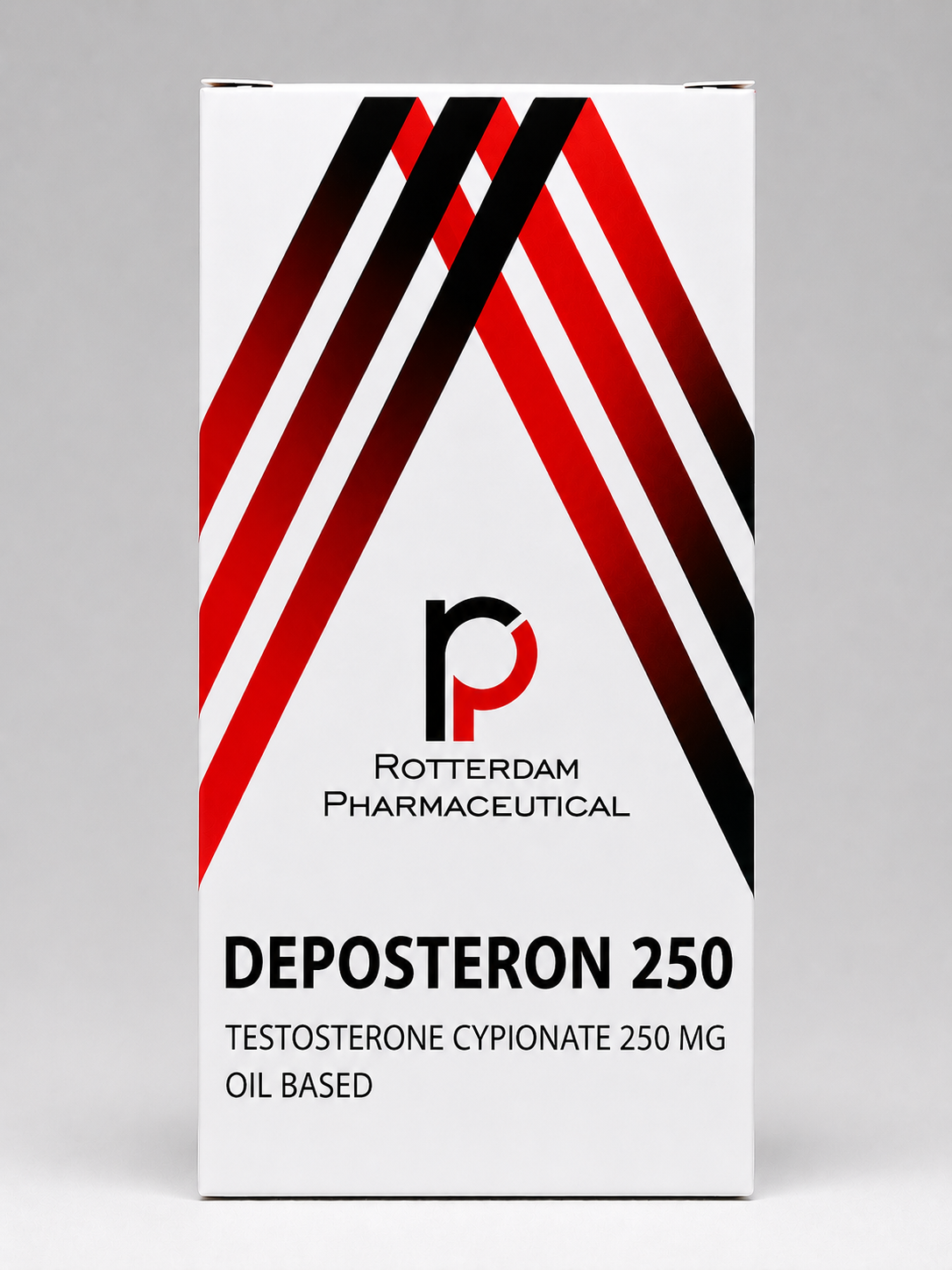
Testosterone Cypionate Injection: Uses, Dosage, Benefits, Side Effects, and Cost
Testosterone cypionate injection is a long-acting, prescription-only form of testosterone used primarily to replace deficient endogenous testosterone in males with medically confirmed primary or hypogonadotropic hypogonadism. The medication forms an oil-based intramuscular depot, from which testosterone cypionate is absorbed gradually and converted to active testosterone. Appropriate treatment requires symptoms consistent with testosterone deficiency, repeated morning laboratory confirmation, individualized dosing, and ongoing monitoring for blood-pressure changes, erythrocytosis, fertility suppression, prostate-related concerns, and other adverse effects.
Key Takeaways: Testosterone cypionate is FDA approved for specific forms of male hypogonadism, not for nonspecific fatigue, normal aging, athletic enhancement, or bodybuilding. The U.S. label allows a broad dose range of 50–400 mg intramuscularly every two to four weeks, while contemporary endocrine guidance commonly uses smaller weekly or every-two-week regimens to reduce peak-to-trough variation. Its labeled intramuscular half-life is approximately eight days, but clinical effects, hormone suppression, and fertility recovery do not follow the half-life in a simple or identical manner. Benefits are most defensible in patients with documented deficiency, and safe use depends on regular laboratory and clinical follow-up.
Medical Disclaimer: This article is for general educational purposes and does not provide an individual diagnosis, prescription, injection protocol, fertility plan, or post-cycle therapy recommendation. Decisions about starting, adjusting, or stopping treatment should be made with a licensed healthcare professional who can review symptoms, laboratory results, cardiovascular risk, fertility goals, contraindications, and concurrent medications.
What Is Testosterone Cypionate Injection?
Testosterone cypionate is the oil-soluble 17-beta cyclopentylpropionate ester of testosterone. Attaching the cypionate ester makes the molecule less polar than unesterified testosterone, allowing it to remain in an oil-based intramuscular depot and enter circulation gradually. Once released and hydrolyzed, it supplies the same active testosterone molecule produced naturally by the testes.
Common formulations contain testosterone cypionate in cottonseed oil with benzyl benzoate and benzyl alcohol. The exact inactive-ingredient quantities depend on the labeled strength and manufacturer, so patients with a suspected excipient sensitivity should review the specific package insert rather than assume all products are identical.
Testosterone Cypionate Injection Quick Facts
| Category | Key Information |
|---|---|
| Active Ingredient | Testosterone cypionate |
| Drug Class | Androgen; esterified testosterone replacement product |
| FDA-Labeled Route | Intramuscular injection only; not intravenous |
| Common U.S. Strengths | 100 mg/mL and 200 mg/mL |
| Common Labeled Vials | 100 mg/mL in 10 mL multidose vials; 200 mg/mL in 1 mL single-dose and 10 mL multidose vials, depending on manufacturer and availability |
| Labeled Intramuscular Half-Life | Approximately eight days |
| Controlled-Substance Status | Schedule III under U.S. federal law |
| Principal FDA-Approved Use | Replacement therapy for males with symptoms associated with deficiency or absence of endogenous testosterone caused by specified primary or hypogonadotropic conditions |
| Age-Related Low Testosterone | Safety and efficacy have not been established for age-related hypogonadism under the product label |
Table sources: Current U.S. prescribing information and DailyMed product listings; DEA controlled-substance schedules. Package configuration and availability may change.
How Testosterone Cypionate Injection Works
After intramuscular administration, the oil-based solution creates a depot in muscle tissue. Testosterone cypionate is slowly absorbed from the lipid phase and hydrolyzed, releasing active testosterone. Most circulating testosterone is protein bound, while a smaller free fraction is biologically available. Testosterone and its metabolites then interact with androgen receptors in responsive tissues, influencing sexual function, erythropoiesis, body composition, bone metabolism, and secondary sex characteristics. In some tissues, testosterone is reduced to dihydrotestosterone, which also activates androgen receptors; testosterone can additionally be aromatized to estradiol.
Exogenous testosterone also changes endocrine feedback. Higher circulating androgen concentrations suppress hypothalamic and pituitary signaling, reducing luteinizing hormone and follicle-stimulating hormone. The result can be reduced intratesticular testosterone production, diminished sperm production, testicular-volume reduction, and infertility. The degree of suppression depends on exposure, treatment duration, baseline reproductive function, and individual physiology.
FDA-Approved Uses of Testosterone Cypionate Injection
The U.S. prescribing information indicates testosterone cypionate for replacement therapy in males with symptoms caused by deficient or absent endogenous testosterone. Labeled conditions include primary hypogonadism from testicular failure associated with causes such as cryptorchidism, bilateral torsion, orchitis, vanishing-testis syndrome, or orchiectomy, as well as congenital or acquired hypogonadotropic hypogonadism caused by gonadotropin deficiency or pituitary-hypothalamic injury from tumors, trauma, or radiation.
A diagnosis should not be based on fatigue, low mood, reduced libido, or a single laboratory result alone. The Endocrine Society recommends diagnosing hypogonadism only when compatible symptoms or signs coexist with unequivocally and consistently low total testosterone, or low free testosterone when clinically indicated. At least two early-morning measurements are generally required, followed by assessment of luteinizing hormone, follicle-stimulating hormone, and potential underlying causes. The Society reiterated this diagnostic standard in July 2026. (Endocrine Society).
Off-Label and Nonmedical Uses
Clinicians may use injectable testosterone within specialist-directed gender-affirming hormone care. Endocrine Society guidance includes testosterone cypionate or enanthate among parenteral masculinizing options, with hormone concentrations and adverse effects monitored to maintain physiologic levels. This use is supported by clinical guidelines but is not the male-hypogonadism indication stated in the Depo-Testosterone product label. (Endocrine Society).
Other proposed uses should be distinguished from approved replacement therapy. Testosterone cypionate is not FDA approved for bodybuilding, athletic enhancement, anti-aging treatment in otherwise healthy adults, treatment of nonspecific fatigue without confirmed hypogonadism, or cosmetic muscle gain. Its label specifically states that it has not been shown safe and effective for enhancement of athletic performance and should not be used for that purpose because of potentially serious health risks.
When Testosterone Cypionate Is Prescribed and Who Qualifies
Testosterone cypionate is FDA-approved as IM testosterone cypionate USP for males with deficiency or absence of endogenous testosterone. Two specific conditions qualify under the approved label: primary hypogonadism and hypogonadotropic hypogonadism. It’s the most widely used injectable testosterone form in the United States for these indications, available in 100 mg/mL and 200 mg/mL concentrations.
FDA-Approved Indications: Primary and Hypogonadotropic Hypogonadism
Primary hypogonadism means the testes themselves have failed. The cause can be cryptorchidism, bilateral torsion, orchitis, vanishing testis syndrome, orchiectomy, or toxic damage from chemotherapy or radiation. The pituitary is signaling correctly; the testes just aren’t responding. Hypogonadotropic hypogonadism is the opposite problem: the testes are capable but the upstream signal from the pituitary or hypothalamus is missing or impaired, typically from tumors, trauma, or radiation injury to those structures. Both conditions result in chronically low testosterone, and testosterone cypionate restores what the body can no longer produce on its own.
Confirming a Real Deficiency Before Starting TRT
The clinical standard, per Endocrine Society guidelines, requires low testosterone to be confirmed on at least two separate morning blood draws before therapy begins. A single low reading isn’t enough because testosterone levels fluctuate naturally, and levels tested in the afternoon or after poor sleep can read artificially low. Running two morning samples, ideally a week apart, gives your prescriber the confirmation needed to justify long-term hormone therapy. This same discipline around testing is why ongoing monitoring matters throughout treatment, not just at the start.
Why Clinicians and Users Choose Cypionate Over Other Forms
Testosterone cypionate’s roughly 8-day half-life, widespread domestic availability, and predictable pharmacokinetics make it the default choice for both TRT prescribers and self-administering performance users. It’s stable, well-studied, and easy to dose consistently. Compared to shorter-acting esters, cypionate’s extended release window means fewer injections are needed to maintain stable blood levels, a practical advantage that matters for anyone on a long-term protocol. How it stacks up specifically against testosterone enanthate gets a full answer in the final section of this guide.
Testosterone Cypionate Injection: Dosage and Frequency
The dose range that’s right for you depends entirely on your goal: restoring normal testosterone levels or driving supraphysiologic performance gains. These are two different targets, and the protocols reflect that. Here’s how each looks in practice.
Standard TRT Dosing: What the Clinical Guidelines Say
The FDA-labeled dosing range for testosterone cypionate injection runs from 50 mg to 400 mg every 2 to 4 weeks, with 200 mg every two weeks being the most commonly cited starting regimen. Modern TRT practice has largely moved away from that long interval, though. Injecting every two weeks creates a pronounced hormonal peak in the first few days followed by a trough near the end of the interval that many men feel as fatigue, mood dips, and reduced libido. Weekly or twice-weekly injections, typically 50 to 100 mg per injection, smooth out that pattern significantly.
Splitting a 150 mg weekly dose into two 75 mg injections every 3.5 days, for example, produces a peak around 850 ng/dL and a trough near 650 ng/dL. The same 150 mg given once weekly peaks closer to 1,100 ng/dL and drops to roughly 500 ng/dL by day seven. That sawtooth profile is why twice-weekly dosing has become the standard in most modern TRT clinics. Per Endocrine Society guidelines, mid-interval testosterone targets fall between 400 and 600 ng/dL, with dose adjustments indicated when levels drop below 350 or exceed 600 ng/dL.
Performance User Protocols and Cycle Lengths
Performance dosing operates in a different range entirely. Most users run 300 to 600 mg per week, injected twice weekly to maintain stable blood levels. Some advanced protocols go higher, pharmacological and sports medicine literature documents ranges of 500 to 1,200 mg per week, though risk scales proportionally with dose. Standard testosterone cypionate injection cycles run 8 to 16 weeks. When stacking with other compounds, testosterone cypionate often serves as a base at a moderate dose, with the additional compound handling the specific performance target.
Post-Cycle Considerations for Performance Users
TRT patients don’t cycle off; their therapy is ongoing. Performance users who run supraphysiologic cycles, however, need post-cycle therapy to restart natural testosterone production. Because of testosterone cypionate’s roughly 8-day half-life, most users wait 10 to 14 days after their last injection before starting PCT. This allows the ester to clear sufficiently before SERMs become effective. Tamoxifen at 20 mg per day for 4 to 6 weeks is a common standalone protocol. Clomiphene at 25 to 50 mg per day is another option, and some users combine both for the first four weeks. hCG can be used as a bridging step during the final weeks of the cycle before SERM-based PCT begins.
Intramuscular vs. Subcutaneous Testosterone Cypionate Injection
Testosterone Cypionate Injection
Intramuscular administration is the FDA-labeled route for standard testosterone cypionate vials. The product label describes deep gluteal intramuscular administration and bases its approximately eight-day half-life on intramuscular use. Intramuscular injection has the longest regulatory and clinical history for this formulation, but it can produce injection discomfort and measurable peak-to-trough variation.
Subcutaneous Testosterone Cypionate Injection
Subcutaneous administration of conventional testosterone cypionate is generally considered off-label in the United States because the vial labeling specifies intramuscular use. Small clinical studies and gender-affirming care literature suggest that subcutaneous cypionate or enanthate can provide testosterone exposure comparable to intramuscular administration and may be preferred by some patients. However, the evidence base is smaller, study populations have been limited, and findings should not be interpreted as permission to change routes without prescriber approval. (PubMed; Endocrine Society).
In a small prospective crossover study of adults receiving gender-affirming testosterone, dose-normalized exposure was comparable between intramuscular and subcutaneous cypionate or enanthate, and participants generally found the subcutaneous route acceptable. Because this was a pilot study rather than a large hypogonadal-male outcomes trial, it supports feasibility but does not settle every question about long-term safety, local tolerability, dose conversion, or erythrocytosis.
Testosterone Cypionate Pharmacokinetics and Half-Life
Testosterone cypionate has a labeled intramuscular half-life of approximately eight days. A half-life is the time required for the amount of drug attributable to a dose to decline by roughly half under the relevant pharmacokinetic conditions; it does not mean that the medication “stops working” precisely eight days after injection. Multiple doses can accumulate, and the observed hormone concentration depends on dose, interval, depot absorption, metabolism, sex hormone-binding globulin, body composition, and laboratory timing.
Using the conventional four-to-five-half-life concept, a substantial portion of cypionate-derived exposure can persist for approximately 32–40 days after a final intramuscular injection. That is only a rough pharmacokinetic estimate. It is not a guaranteed clearance date, a fertility-recovery date, or proof that hypothalamic-pituitary-gonadal signaling has normalized. Endocrine suppression and clinical effects may continue after circulating concentrations have declined.
Steady or repeating exposure also takes time to develop after initiation or a dose change. For this reason, immediate post-change laboratory results may not represent the eventual pattern. Clinicians usually allow an appropriate interval before judging a stable regimen, unless an adverse effect requires earlier evaluation.
Expected Timeline of Testosterone Cypionate Effects
Testosterone enters circulation soon after an injection, but symptom and tissue responses develop on different schedules. A published review found that quality-of-life changes may begin within three to four weeks, while changes in depressive symptoms may begin after three to six weeks. Sexual effects vary: libido can change earlier, while erections and ejaculation may continue improving for several months. These timelines describe averages across testosterone therapies, not guaranteed results from a particular cypionate dose. (PubMed).
Changes in lean mass, fat mass, and strength are generally slower, becoming detectable around 12–16 weeks and stabilizing over approximately six to 12 months. Bone-density effects may not become measurable until around six months and can continue for years. Erythropoietic effects may appear by three months and become more pronounced over time, which is why a patient may feel better before a hematocrit-related risk becomes evident. (PubMed).
| Approximate Period | Possible Developments | Important Limitation |
|---|---|---|
| First Days | Serum testosterone rises as the intramuscular depot begins releasing medication. | A biochemical rise does not guarantee immediate symptom improvement. |
| Weeks 3–6 | Some patients may notice changes in libido, mood, well-being, or energy. | These symptoms are nonspecific and can be affected by sleep, mental health, medications, and other disease. |
| Months 3–6 | Body-composition changes may become measurable; sexual effects may continue; hematocrit may increase. | Benefits and adverse effects can emerge during the same period. |
| Months 6–12 | Lean-mass and strength changes may stabilize; bone effects begin to become more measurable. | Training, nutrition, baseline deficiency, age, and comorbidities strongly influence outcomes. |
| One Year and Beyond | Bone-density effects may continue; long-term monitoring remains necessary. | Long-term treatment is not risk-free merely because early laboratory results were acceptable. |
Timeline source: Published reviews and longitudinal studies of testosterone replacement across formulations. Individual response to testosterone cypionate injection may differ.
Preparing a Testosterone Cypionate Injection: Step-by-Step
The injection process is straightforward once you’ve done it a few times, but the first time requires deliberate attention to each step. Getting your supplies organized and your technique clean from the start prevents injection-site problems and keeps the process stress-free.
Supplies, Needle Selection, and Site Options
Gather everything before you start: your testosterone cypionate vial, an 18-gauge drawing needle, a 22- to 23-gauge injection needle (1 to 1.5 inches depending on your body composition and site), a syringe, alcohol pads, gauze, and a sharps container. The two primary sites for self-injection are the vastus lateralis (the middle third of the outer thigh) and the ventrogluteal area (the hip). Most self-injectors prefer these over the dorsogluteal site because they’re safer, easier to access without assistance, and carry a lower risk of hitting a nerve or blood vessel. Use a 1-inch needle if you have average subcutaneous tissue; move to 1.5 inches if you have more tissue depth or if prior injections didn’t clearly reach the muscle.
Injection Technique: Executing Each Step Correctly
Start by inspecting the vial: the solution should be clear or slightly yellow with no particles or cloudiness. Wipe the rubber stopper with an alcohol pad and let it dry completely. Pull the plunger back to your prescribed dose to fill the syringe with air, then inject that air into the vial to equalize pressure. Invert the vial and withdraw your dose, then swap to the injection needle before you inject.
Clean your chosen injection site with a fresh alcohol pad and allow it to air-dry fully before inserting the needle. Relax the muscle, then insert the needle in one smooth, confident motion at a 90-degree angle straight into the muscle. Current clinical guidance on aspiration is mixed: some protocols advise pulling back briefly to check for blood, while others no longer recommend it as routine. If blood appears in the syringe, withdraw, reposition, and start again. Depress the plunger slowly and steadily, then withdraw the needle straight out. Apply gentle pressure with gauze if needed. Do not massage the site.
Disposal, Aftercare, and Rotating Sites
Drop the used needle and syringe directly into an FDA-cleared sharps container immediately after use. Never recap or reuse needles. Rotate injection sites with each testosterone cypionate injection to prevent lipohypertrophy, a localized thickening of tissue that develops when the same spot is used repeatedly. If you’re injecting twice weekly, alternate between your left and right thigh, or between the thigh and ventrogluteal site, so no single location is hit more than once every 10 to 14 days.
Testosterone Cypionate Injection Benefits, Side Effects, and Warnings
Potential Benefits of Testosterone Cypionate Injection
For a patient with correctly diagnosed hypogonadism, the therapeutic objective is to restore physiologic testosterone exposure, maintain secondary sex characteristics, and improve symptoms attributable to deficiency. Possible benefits include improved sexual desire, correction of deficiency-associated anemia, increased lean mass, improved bone density, and improvement in some measures of mood or well-being. The magnitude of benefit is variable, and not every symptom responds. (Endocrine Society; PubMed).
A systematic review of 16 randomized placebo-controlled trials involving 1,728 men found that testosterone increased total lean mass and hip bone density after six months, while effects on grip strength, total fat mass, and some other musculoskeletal outcomes remained uncertain. The authors emphasized the limited number of trials capable of evaluating uncommon clinical adverse events. (PubMed).
Evidence should not be extrapolated beyond the populations studied. Benefits demonstrated in men with confirmed low testosterone do not prove that supraphysiologic testosterone is safe, medically appropriate, or beneficial overall in eugonadal individuals. Furthermore, many clinical trials use gels or other formulations, so formulation-specific differences in peaks, hematocrit, adherence, and adverse reactions matter.
Endocrine and Reproductive Side Effects
Exogenous testosterone suppresses LH and FSH through negative feedback. Consequences may include reduced endogenous testosterone production, oligospermia, azoospermia, reduced testicular volume, and infertility. Gynecomastia may develop and can persist in some patients. Testosterone can also alter libido, increase the frequency or duration of erections, and rarely contribute to priapism.
A rise in estradiol does not automatically require an aromatase inhibitor. Estradiol contributes to male bone, sexual, metabolic, and emotional health, and excessive suppression may cause harm. Symptoms, testosterone exposure, body composition, laboratory quality, and the timing of testing should be evaluated before adding another drug.
Hematologic Side Effects
Testosterone stimulates erythropoiesis and may increase hemoglobin and hematocrit. Excessive elevation, often called testosterone-induced erythrocytosis or polycythemia in clinical discussions, is one of the most important reasons for laboratory monitoring. The product label calls for periodic hemoglobin and hematocrit checks during long-term androgen administration.
Injectable cypionate may increase hematocrit more than some shorter-acting or noninjectable formulations. In a randomized trial, men receiving intramuscular testosterone cypionate experienced a significant mean hematocrit increase over four months, whereas the intranasal comparison group did not. A small cross-sectional study found hematocrit of at least 54% in 10% of 30 cypionate-treated men, although the sample was too small to establish a population-wide rate. (PubMed).
Cardiovascular and Blood-Pressure Effects
Testosterone can increase blood pressure. In February 2025, the FDA required class-wide labeling changes after ambulatory blood-pressure monitoring studies confirmed blood-pressure increases across testosterone products. The agency simultaneously removed prior class-wide boxed-warning language asserting increased major cardiovascular outcomes after reviewing the TRAVERSE trial, while retaining the limitation concerning age-related hypogonadism. (FDA).
The change does not mean cardiovascular risk is irrelevant or that every formulation has been proven equally safe. TRAVERSE studied transdermal testosterone gel in men with confirmed hypogonadism and preexisting or elevated cardiovascular risk; it did not directly establish the long-term cardiovascular safety of every testosterone cypionate regimen, particularly supraphysiologic or nonmedical use. Current cypionate labeling still warns about blood-pressure increases, venous thromboembolism, edema, and serious cardiovascular outcomes reported with abuse.
Blood pressure should therefore be monitored periodically, especially in patients with hypertension. Current labeling states that testosterone products are not recommended in patients with uncontrolled hypertension. New chest pain, sudden shortness of breath, unilateral leg pain or swelling, weakness on one side, or speech difficulty requires urgent evaluation.
Skin and Hair Side Effects
Androgen-related skin and hair effects may include acne, oily skin or seborrhea, increased body hair, and acceleration of androgen-sensitive scalp hair loss in genetically susceptible individuals. These effects vary considerably and may occur even when serum testosterone is within the laboratory reference range.
Fluid, Renal, Hepatic, and Metabolic Effects
Testosterone can promote sodium and water retention. Edema can become clinically important in patients with cardiac, renal, or hepatic disease and may worsen heart-failure symptoms. The label also reports nausea, changes in liver-function tests, cholestatic jaundice, and rare serious hepatic events associated mainly with prolonged high-dose androgen exposure, particularly certain oral 17-alpha-alkylated androgens.
Lipid responses are variable. Serum cholesterol may increase, and testosterone treatment can lower HDL cholesterol in some settings. Baseline cardiovascular risk, diet, body composition, dose, route, and concurrent medication influence the clinical importance of these changes.
Prostate and Urinary Effects
Testosterone can increase prostate volume and prostate-specific antigen to some degree, particularly when correcting a deficient baseline state. Patients with benign prostatic enlargement may experience worsening lower urinary tract symptoms or, rarely, acute urinary obstruction. Treatment should not begin in a patient with known or suspected prostate cancer without appropriate specialist evaluation.
Available evidence does not establish that appropriately prescribed testosterone inevitably causes prostate cancer, but screening and monitoring decisions depend on age, baseline risk, life expectancy, symptoms, PSA findings, and patient preferences. Trial findings from carefully screened men using topical gel should not be generalized without qualification to higher-risk patients or nonmedical injectable exposure.
Psychological and Neurologic Effects
Reported effects include headache, anxiety, depression, irritability, libido changes, and paresthesia. Supratherapeutic anabolic-androgenic steroid abuse has been associated with aggression, mania, paranoia, psychosis, major depression, dependence, and withdrawal symptoms lasting weeks or months. Abrupt discontinuation after high-dose exposure may produce fatigue, insomnia, low libido, depressed mood, craving, and hypogonadotropic hypogonadism.
Severe depression, suicidal thoughts, psychosis, or dangerous behavioral changes require prompt professional assessment. These symptoms should not be dismissed as an expected or harmless part of “coming off” testosterone.
Injection-Site and Allergic Reactions
Pain and inflammation at the injection site are recognized adverse reactions. Hypersensitivity, skin reactions, and anaphylactoid reactions have also been reported. A persistent enlarging area of redness, warmth, drainage, fever, or severe pain should be medically evaluated rather than repeatedly injected through.
Current Boxed-Warning Status and Major Warnings
As of the current 2025 U.S. labeling reviewed for this article, conventional testosterone cypionate injection does not carry a boxed warning. In February 2025, the FDA directed manufacturers to remove class-wide boxed-warning language concerning increased major adverse cardiovascular outcomes after reviewing TRAVERSE, while requiring or strengthening blood-pressure warnings. The absence of a boxed warning does not mean the medication has no serious risks.
Major warnings and precautions include increased blood pressure, venous thromboembolism, edema, gynecomastia, polycythemia, abuse and dependence, serious cardiovascular and psychiatric reactions associated with misuse, possible prostate-related effects, and benzyl-alcohol toxicity concerns in vulnerable pediatric patients.
Contraindications and Reasons to Delay Treatment
The product label contraindicates testosterone cypionate in patients with known hypersensitivity, males with breast cancer, males with known or suspected prostate cancer, pregnant patients, and patients with serious cardiac, hepatic, or renal disease. Pregnancy exposure can virilize a female fetus.
Endocrine Society guidance recommends against starting testosterone in men planning fertility in the near term or in those with breast or prostate cancer, a concerning prostate nodule, specified elevated PSA findings without urologic evaluation, elevated hematocrit, untreated severe obstructive sleep apnea, severe lower urinary tract symptoms, uncontrolled heart failure, myocardial infarction or stroke within the preceding six months, or thrombophilia. (Endocrine Society).
Testosterone Cypionate Drug Interactions
Oral anticoagulants: Androgens may increase sensitivity to oral anticoagulants, potentially requiring closer coagulation monitoring and anticoagulant dose adjustment. A patient using warfarin or another anticoagulant should not assume that a previously stable regimen will remain stable after testosterone is started or changed.
Insulin and diabetes medications: Androgen-related metabolic effects may lower blood glucose or reduce insulin requirements in some patients. Glucose should be monitored when treatment begins or changes, particularly in insulin-treated diabetes. Medication adjustments should be made by the clinician managing the diabetes.
Corticosteroids and fluid-retaining medications: Although the current cypionate label emphasizes edema rather than listing every possible combination, medications that promote sodium and fluid retention may compound swelling or heart-failure risk. Patients using systemic corticosteroids or with cardiac, kidney, or liver disease require individualized assessment.
Laboratory-test interference: Androgens can lower thyroxine-binding globulin, decreasing measured total T4 while free thyroid hormone remains unchanged. This can alter laboratory interpretation without necessarily indicating true thyroid dysfunction.
Medication reconciliation should also include prescription drugs, supplements, fertility medications, other hormones, anabolic steroids, and drugs obtained outside the regulated supply chain. Interaction databases cannot compensate for undisclosed concurrent use.
Lab Monitoring Schedule While on Testosterone Therapy
A monitoring schedule isn’t optional. It’s what separates a well-managed protocol from one that creates problems you don’t see coming. Bring this framework to your prescriber or use it as a self-monitoring reference.
Baseline Labs Before the First Injection
Before starting testosterone cypionate, you need two morning total testosterone readings on separate days to confirm true deficiency. A complete blood count with hemoglobin and hematocrit establishes your baseline red cell status, since testosterone will drive these values up. PSA and a digital rectal exam are indicated for men where prostate monitoring applies based on age and risk. A lipid panel rounds out the baseline picture. Each of these gives you a reference point to measure change against once therapy begins.
3-to-6-Month Check-In: The First Real Data Point
The 3-to-6-month follow-up is where your protocol gets its first real evaluation. Draw mid-interval testosterone: for weekly injectors, that means 3 to 4 days after the injection. For twice-weekly injectors, draw midway between doses. Target mid-interval levels of 400 to 600 ng/dL. If levels fall below 350 ng/dL, the dose needs to go up. If they exceed 600 ng/dL, it needs to come down. Recheck hematocrit at this visit and review symptoms and any adverse effects.
Annual Monitoring and Prostate Safety Thresholds
At 12 months and annually thereafter if stable, repeat testosterone levels and CBC. PSA should be rechecked and compared to baseline. A confirmed PSA rise above 1.4 ng/dL from baseline, an absolute PSA above 4.0 ng/dL, or an abnormal DRE each trigger a urology referral. Hematocrit above 54% remains the threshold to pause therapy at any monitoring point, not just annually. Keep these numbers in a log so trends are visible over time.
Testosterone Cypionate Monitoring, Fertility, and PCT
Laboratory and Clinical Monitoring
Monitoring is not limited to a testosterone number. A safe plan combines symptom review, correctly timed testosterone measurements, hematologic testing, blood pressure, prostate-risk assessment when appropriate, evaluation of adverse effects, and attention to fertility. Tests should be individualized rather than ordered as an identical panel for every patient.
| Assessment | Before Treatment | During Treatment | Why It Matters |
|---|---|---|---|
| Total Testosterone | At least two separate early-morning measurements when diagnosing male hypogonadism. | Commonly reassessed after initiation or dose change and periodically once stable; cypionate levels are often measured midway between injections. | Confirms the diagnosis and helps determine whether exposure is low, physiologic, or excessive. |
| Free Testosterone and SHBG | Consider when total testosterone may be misleading because of altered sex hormone-binding globulin. | Repeat when clinically needed rather than automatically in every patient. | Clarifies androgen status in selected patients. |
| LH and FSH | Used to distinguish primary from secondary hypogonadism before treatment. | Not routinely useful for dose titration while exogenous testosterone is suppressing the axis; useful when evaluating recovery after discontinuation. | Identifies the likely level of endocrine dysfunction and helps assess recovery. |
| CBC, Hemoglobin, and Hematocrit | Baseline measurement. | Approximately three to six months after initiation, then periodically or at least annually when stable; sooner when rising or high risk. | Detects testosterone-induced erythrocytosis. Endocrine guidance advises interruption and reassessment if hematocrit exceeds 54%. |
| Blood Pressure | Establish a reliable baseline and address uncontrolled hypertension. | Monitor periodically, with greater attention in patients with hypertension or cardiovascular disease. | FDA-required labeling recognizes a class-wide testosterone-related blood-pressure increase. |
| PSA and Prostate Assessment | Risk-based evaluation and shared decision-making according to age, symptoms, family history, and screening preferences. | Reassess in the first year when prostate monitoring is chosen, then follow appropriate screening guidance; refer concerning changes. | Identifies findings requiring urologic evaluation and monitors urinary or prostate-related changes. |
| Lipids and Metabolic Risk | Baseline lipid and diabetes-risk assessment when clinically appropriate. | Repeat according to baseline risk, treatment response, and primary-care or cardiovascular guidelines. | Testosterone may affect HDL, other lipids, glucose, and insulin requirements. |
| Estradiol | Not necessarily required for every patient; consider when baseline symptoms warrant it. | Most useful when breast symptoms, disproportionate fluid retention, or other clinically relevant concerns occur. | Prevents treatment based on symptoms alone and helps avoid unnecessary estradiol suppression. |
| Semen Analysis | Consider before treatment when future fertility matters. | Repeat when conception is desired or when recovery after testosterone exposure is being evaluated. | Serum testosterone does not measure sperm production. |
| Bone Density | Consider in patients with osteoporosis, low-trauma fractures, or substantial risk factors. | Often reassessed after one to two years when bone disease is an indication for monitoring. | Bone response develops slowly and cannot be judged from short-term symptoms. |
Monitoring sources: Endocrine Society clinical-practice guidance, current FDA labeling, and FDA’s 2025 class-wide blood-pressure labeling action. The schedule should be individualized.
Testosterone Cypionate Injection and Fertility
Testosterone cypionate is not a fertility treatment. By suppressing LH and FSH, exogenous testosterone lowers intratesticular testosterone and can markedly reduce spermatogenesis. A normal or high serum testosterone concentration during treatment does not indicate preserved sperm production. Men who want to conceive in the near term should generally avoid starting exogenous testosterone and seek evaluation by an endocrinologist, urologist, or reproductive specialist.
Recovery after discontinuation is variable. An integrated analysis of hormonal male-contraception studies estimated recovery to a sperm concentration of 20 million/mL in approximately 67% of participants by six months, 90% by 12 months, and 96% by 16 months. Those controlled studies involved selected participants and should not be assumed to predict recovery after prolonged bodybuilding exposure, stacked anabolic steroids, preexisting infertility, or unknown underground products. (PubMed).
In an observational study of current and former androgen abusers, reproductive hormones recovered faster than sperm output; estimated recovery measures extended from roughly seven months for some hormones to approximately 14 months for sperm variables, with longer androgen exposure associated with slower sperm recovery. Other reviews describe recovery over months to years and document persistent hypogonadism in a subset of users. (PubMed).
Does Testosterone Cypionate Require PCT?
“Post-cycle therapy,” or PCT, is a bodybuilding term rather than a standardized component of FDA-approved testosterone replacement. A patient receiving medically indicated long-term replacement generally does not complete a bodybuilding-style cycle followed automatically by PCT. If treatment is stopped, the plan depends on why it was prescribed, baseline testicular and pituitary function, treatment duration, symptoms, fertility objectives, and whether endogenous recovery is expected.
After nonmedical anabolic-androgenic steroid use, some individuals recover with observation, while others experience prolonged low testosterone, infertility, depression, or severe withdrawal symptoms. Evidence for drug-assisted PCT has historically consisted largely of observational studies, small series, extrapolation from male-infertility care, and self-reported practices. A 2025 retrospective cohort of 79 short-term AAS users found faster hormonal and semen recovery with clomiphene or clomiphene plus hCG than with observation, but it was not a randomized trial and the authors called for prospective controlled research. (PubMed).
PCT Safety Disclaimer: The dosage patterns in the following table describe regimens reported in bodybuilding communities or selected off-label clinical contexts. They are not FDA-approved PCT protocols, not validated universal regimens, and not personal dosing instructions. Laboratory testing and specialist assessment are particularly important because hCG, SERMs, recombinant FSH, and aromatase inhibitors have different mechanisms, contraindications, and adverse effects. Illicit PCT products may be mislabeled, adulterated, or contain no declared active ingredient.
| PCT Approach | Commonly Reported Off-Label Dosage | Proposed Rationale | Important Limitation |
|---|---|---|---|
| Observation With Serial Laboratory Testing | No medication; periodic blood work every 4–8 weeks is commonly used to observe recovery. | Many men recover endogenous hormone production after discontinuing shorter-term exposure. | Recovery can take months or longer. Persistent hypogonadal symptoms, infertility, severe depression, or suicidal thoughts require professional evaluation. |
| Clomiphene Citrate Clomid | Community protocols frequently report 50 mg daily for 2 weeks, followed by 25 mg daily for another 2–4 weeks. Some reports describe 100 mg/day during the first few days, which may increase adverse-effect risk. | A selective estrogen receptor modulator that can reduce estrogenic feedback at the hypothalamic-pituitary level and increase endogenous LH and FSH in responsive patients. | Off-label in this setting. Visual symptoms, mood changes, headache, thromboembolic risk, elevated estradiol, and inconsistent response require assessment. The 2025 retrospective PCT cohort used 25 mg/day, illustrating that studied regimens do not necessarily match community protocols. |
| Tamoxifen Nolvadex | Frequently reported community regimens use 40 mg daily for 2 weeks, followed by 20 mg daily for another 2–4 weeks. Some users report beginning at 20 mg/day. | Another SERM used off-label to influence hypothalamic-pituitary feedback or to manage selected estrogen-related breast symptoms. | Direct evidence for a standardized AAS-withdrawal regimen is limited. Tamoxifen can increase thromboembolic risk and has other clinically important interactions and adverse effects. |
| Human Chorionic Gonadotropin hCG | Community protocols commonly report 250–500 IU two or three times weekly during testosterone exposure or 500–1,000 IU two or three times weekly for 2–3 weeks before a SERM. Higher regimens also appear in fertility clinics and studies, but they are not interchangeable with self-directed PCT. | Acts at testicular LH receptors and can increase intratesticular testosterone and testosterone production. | hCG does not directly restart pituitary LH secretion while it is being administered. It may increase estradiol and cause gynecomastia or other adverse effects. Fertility-focused use should be specialist directed. |
| Recombinant FSH | Dosing is individualized by reproductive specialists and is commonly administered subcutaneously several times per week in infertility treatment. | May support spermatogenesis when FSH activity remains inadequate, particularly in specialist-managed hypogonadotropic infertility. | Expensive, injectable, fertility-specific, and not routine PCT. It requires semen analysis and specialist monitoring rather than symptom-based self-treatment. |
| Aromatase Inhibitors Anastrozole, Exemestane, Letrozole | When elevated estradiol is documented and clinically relevant, community protocols often report anastrozole 0.25–0.5 mg every other day or exemestane 12.5 mg every other day. Routine preventive use is discouraged. | Reduce conversion of testosterone to estradiol. | Not routine PCT. Excessive estradiol suppression may impair bone, sexual, metabolic, cardiovascular, and emotional health. Letrozole is particularly potent and should not be treated as a casual substitute. |
PCT evidence note: Spontaneous recovery and specialist-directed use of SERMs, hCG, or FSH are described in observational studies and fertility literature, but the exact community schedules above have not been validated as a universal standard. Recent retrospective evidence used clomiphene 25 mg/day, hCG 1,500 IU three times weekly in a combination group, and recombinant FSH 75 IU three times weekly for selected patients with low FSH; prospective randomized trials are still needed.
Testosterone Cypionate Injection Comparisons, Concentrations, and Brands
Test Enanthate vs Testosterone Cypionate
Testosterone cypionate and testosterone enanthate are both long-acting injectable esters that ultimately release active testosterone. Endocrine guidance commonly groups them together and lists similar weekly or every-two-week dosing options. Neither has been established as universally superior for symptom response, body composition, fertility preservation, or long-term safety when comparable physiologic exposure is achieved. (Endocrine Society).
Cypionate’s U.S. label reports an intramuscular half-life of approximately eight days. Enanthate has a closely related but not identical ester structure and may differ in product formulation, carrier oil, vial presentation, regional availability, and pharmacokinetic details. A patient who tolerates one product poorly because of an excipient or injection-site reaction may not react identically to another, but switching should be supervised and followed by appropriately timed laboratory testing.
Testosterone Cypionate vs. Testosterone Propionate
Testosterone propionate is shorter acting and should not be used interchangeably with cypionate on a milligram-for-milligram schedule. The cypionate label explicitly warns against interchangeability because their durations of action differ. A shorter ester generally requires more frequent administration to maintain comparable exposure, increasing injection burden and local-reaction opportunities.
Testosterone propionate should not be assumed to be preferable simply because it leaves the body faster. More rapid offset may be useful in selected clinical contexts, but increased fluctuation and injection frequency are practical disadvantages. Product approval and commercial availability also differ from cypionate in the United States.
Testosterone Cypionate Injection vs. Testosterone Gel
Testosterone gels are applied daily and generally produce steadier day-to-day concentrations than intermittent cypionate injections. They avoid needles and may cause less erythrocytosis than injectable cypionate, but absorption varies, daily adherence is required, skin irritation can occur, and there is a risk of transferring testosterone to another person through skin contact. (Endocrine Society; PubMed).
Injections avoid daily skin application and secondary transfer but create a depot, may produce wider peaks and troughs, and can cause injection-site pain. The “better” option depends on clinical response, hematocrit, household exposure risk, preference, cost, insurance, dexterity, and adherence rather than a universal hierarchy.
Available Testosterone Cypionate Concentrations and Vial Sizes
Common FDA-labeled U.S. concentrations are 100 mg/mL and 200 mg/mL. Current DailyMed listings include a 100 mg/mL 10 mL multidose vial and 200 mg/mL presentations that may include a 1 mL single-dose vial and a 10 mL multidose vial, depending on manufacturer and current distribution. Each prescription should identify both the concentration and the prescribed volume because the same milligram dose requires a different volume at 100 mg/mL than at 200 mg/mL.
A single-dose vial and a multidose vial are not automatically handled in the same way. Preservatives, stopper access, pharmacy instructions, and manufacturer labeling should determine how a particular package is used or discarded. Patients should not transfer medication between containers or preserve a single-dose remainder for future use unless specifically directed under appropriate professional standards.
Depo-Testosterone vs. Generic Testosterone Cypionate
Depo-Testosterone is the historically recognized brand name, while multiple manufacturers or relabelers market generic testosterone cypionate under approved applications. FDA-labeled products provide the declared active ingredient and strength, but packaging, NDC, vial size, supplier, inactive-ingredient quantities, and availability can vary. Current product listings commonly use cottonseed oil, benzyl benzoate, and benzyl alcohol, but the specific label should always be checked.
Brand status does not by itself guarantee better clinical results, and a lower-cost generic is not automatically inferior. Relevant practical differences include insurance formulary placement, pharmacy stock, vial type, excipient tolerance, manufacturer consistency, and whether the prescribed package size matches the intended treatment and legal dispensing rules.
Testosterone Cypionate Injection Price, Legal Access, and Storage
Test Cypionate Injection Price in the United States
Testosterone cypionate prices vary by pharmacy, ZIP code, vial size, brand or generic status, insurance, deductible, coupon, and current inventory. On the GoodRx pricing page accessed on August 1, 2026, displayed reference prices included approximately $90.53 retail and $96.56 with a GoodRx price for one 10 mL vial of 100 mg/mL; $43.41 retail and $97.05 for one 1 mL vial of 200 mg/mL; and $146.08 retail and $52.96 for one 10 mL vial of 200 mg/mL. These are illustrative displayed prices, not guaranteed quotes.
| Presentation | Displayed Retail Price | Displayed GoodRx Price |
|---|---|---|
| 100 mg/mL, 10 mL vial | $90.53 | $96.56 |
| 200 mg/mL, 1 mL vial | $43.41 | $97.05 |
| 200 mg/mL, 10 mL vial | $146.08 | $92.96 |
Price retrieval date: August 1, 2026. The source states that retail figures are averages and may not represent pricing at a specific pharmacy or location.
The medication is only one component of treatment cost. Clinical visits, diagnostic testing, repeat laboratory work, injection supplies, insurance prior authorization, pharmacy dispensing, and management of adverse effects may cost more than the drug itself. A very low advertised monthly price may exclude these services or may indicate an unsafe seller that does not require legitimate diagnosis and monitoring.
How to Get Testosterone Cypionate Injection Legally
In the United States, testosterone cypionate is a Schedule III controlled substance. Legal acquisition generally requires evaluation by a licensed prescriber, a prescription issued for a legitimate medical purpose, and dispensing by a properly licensed pharmacy in accordance with federal and state law. State telemedicine and controlled-substance rules can add requirements beyond federal standards.
A legitimate evaluation should assess symptoms, obtain repeated morning testosterone measurements when diagnosing male hypogonadism, investigate the cause of low testosterone, review fertility goals, screen for contraindications, and establish a monitoring plan. A website that sells testosterone solely from a questionnaire, without appropriate laboratory confirmation or prescriber involvement, should not be treated as equivalent to regulated medical care. (Endocrine Society; FDA).
The FDA advises consumers to verify that an online pharmacy requires a prescription, provides a physical U.S. address and telephone number, is licensed through the relevant state board of pharmacy, and makes a licensed pharmacist available for questions. Warning signs include sellers that do not require a prescription, ship from an undisclosed foreign source, lack state licensure, or offer prices that appear too good to be true. (FDA BeSafeRx).
This article does not provide sources for underground testosterone, prescription bypasses, unauthorized importation, or methods to evade medical oversight. Products outside the regulated supply chain may have inaccurate concentrations, microbial contamination, substituted ingredients, or no active ingredient.
Testosterone Cypionate Storage and Stability
Current U.S. labeling directs storage at controlled room temperature, 20°C to 25°C or 68°F to 77°F, with protection from light. The vial should remain in its labeled packaging and should not be exposed to uncontrolled heat, freezing conditions, contamination, or improper transfer between containers. Crystals may form when the medication is stored below the recommended temperature. The label notes that warming and shaking can redissolve crystals, but a patient who sees crystals, particles, cloudiness, discoloration, a damaged stopper, or a compromised vial should obtain product-specific advice from a pharmacist rather than improvising. A product that remains abnormal after following authorized instructions should not be injected.
For multidose vials, the permissible period after first puncture should be based on the manufacturer’s label, pharmacy instructions, storage conditions, contamination risk, and applicable professional standards. An arbitrary online “28-day rule” should not replace the directions for the actual dispensed product.
Frequently Asked Questions About Testosterone Cypionate Injection
What Is Testosterone Cypionate Injection Used For?
It is FDA approved as replacement therapy for males with symptoms caused by deficient or absent endogenous testosterone from specified forms of primary or hypogonadotropic hypogonadism. It is not approved simply for normal aging, nonspecific tiredness, or athletic enhancement.
Is Testosterone Cypionate Injection FDA Approved?
Yes. FDA-approved and FDA-listed testosterone cypionate injection products are available for intramuscular use. Approval applies to the labeled product, strength, route, manufacturing controls, and indications—not to underground, counterfeit, or unapproved compounded copies represented as equivalent.
How Often Is Testosterone Cypionate Injected?
The FDA label permits 50–400 mg intramuscularly every two to four weeks for male replacement therapy, individualized to response and adverse effects. Endocrine guidance commonly lists 75–100 mg weekly or 150–200 mg every two weeks, which may reduce fluctuation compared with larger, less frequent doses.
What Is the Half-Life of Testosterone Cypionate Injection?
The labeled intramuscular half-life is approximately eight days. That number does not define the exact duration of symptom benefit, full drug clearance, endocrine recovery, or fertility recovery.
How Long Does Testosterone Cypionate Take to Work?
Serum testosterone rises early, but clinical effects develop gradually. Some changes in libido, mood, or well-being may begin within several weeks, body-composition effects often require three to six months, and bone-density effects can take six months to several years. Results vary, and lack of immediate improvement should not trigger unsupervised dose escalation.
Is 200 mg of Testosterone Cypionate a High Dose?
The answer depends on whether “200 mg” refers to vial concentration, one administered dose, or the total amount over an interval. Two hundred milligrams every two weeks appears in endocrine guidance, while 200 mg every week represents twice that average weekly exposure. Only a clinician who knows the schedule, laboratory timing, symptoms, and adverse effects can interpret whether an individual regimen is excessive.
What Is the Difference Between 100 mg/mL and 200 mg/mL?
They are different concentrations. One milliliter of the 100 mg/mL product contains 100 mg, while one milliliter of the 200 mg/mL product contains 200 mg. The prescribed milligram amount must be converted to the correct volume for the exact vial concentration; patients should not assume that the same volume applies after a product change.
Can Testosterone Cypionate Be Injected Subcutaneously?
Subcutaneous use of conventional cypionate vials is off-label because the U.S. label specifies intramuscular administration. Small studies and gender-affirming guidelines support its feasibility in selected patients, but the route should be authorized and monitored by the prescriber rather than changed independently.
Where Is Testosterone Cypionate Injected?
The product label describes deep intramuscular gluteal administration. Site selection and technique should be taught by a qualified healthcare professional because body composition, needle selection, prescribed volume, anticoagulant use, mobility, and prior reactions can affect safety. This article does not provide individualized injection-site instructions.
Can Testosterone Cypionate Build Muscle?
Correcting testosterone deficiency can increase lean mass, and randomized-trial evidence supports a modest average increase in total lean mass in selected men. That does not establish the safety of supraphysiologic bodybuilding doses, stacked anabolic steroids, or unmonitored use in people with normal testosterone.
Does Testosterone Cypionate Convert to Estrogen?
Yes. Testosterone can be converted to estradiol through aromatase. The extent varies with total exposure, body composition, genetics, age, and other factors. Estradiol should not be suppressed routinely without a clinically supported reason because excessively low estradiol can impair bone, sexual, metabolic, and emotional health.
Can Testosterone Cypionate Cause Acne or Hair Loss?
Yes. Acne, seborrhea, increased hair growth, and male-pattern scalp hair loss are recognized androgen-related adverse effects. Genetic susceptibility strongly influences whether scalp hair loss occurs.
Does Testosterone Cypionate Raise Hematocrit?
It can. Testosterone stimulates red-blood-cell production, and injectable cypionate has produced clinically meaningful hematocrit increases in studies. CBC and hematocrit should be checked at baseline and periodically during treatment; a hematocrit above 54% requires treatment interruption and clinical reassessment under endocrine guidance.
Can Testosterone Cypionate Increase Blood Pressure?
Yes. The FDA concluded from required ambulatory blood-pressure studies that testosterone products increase blood pressure as a class and required updated warnings in 2025. Blood pressure should be monitored, and testosterone products are not recommended for patients with uncontrolled hypertension.
Does Testosterone Cypionate Affect Fertility?
Yes. Exogenous testosterone suppresses LH, FSH, intratesticular testosterone, and sperm production. Some men recover within months after stopping, while others require a year or longer, and recovery may remain incomplete—particularly after prolonged exposure or in men with preexisting fertility problems.
Is PCT Required After Testosterone Cypionate?
There is no universal rule. Medically prescribed replacement therapy is not ordinarily structured as a bodybuilding cycle with automatic PCT. After nonmedical exposure, decisions about observation, clomiphene, hCG, FSH, or other interventions should be based on symptoms, LH, FSH, testosterone, semen testing, fertility goals, duration of use, and specialist evaluation. Evidence does not support one standard protocol for everyone.
Is Testosterone Cypionate Better Than Testosterone Enanthate?
No strong clinical evidence establishes universal superiority. Both are long-acting testosterone esters with similar guideline dosing. Selection usually depends on availability, excipients, insurance, prescriber experience, individual pharmacokinetics, and tolerability.
Can Testosterone Cypionate Be Purchased Online Legally?
It can be dispensed by a legitimate online pharmacy when prescribed lawfully, but the pharmacy should require a valid prescription, be licensed by the appropriate state board, provide a U.S. address and telephone number, and make a licensed pharmacist available. Websites selling testosterone without a prescription are a major safety and legal warning sign.
How Much Does Testosterone Cypionate Injection Cost?
Prices vary significantly. GoodRx figures accessed August 1, 2026 displayed approximately $27 for a 1 mL vial of 200 mg/mL and about $53 for a 10 mL vial of 200 mg/mL using the listed GoodRx prices, while displayed retail prices were higher. Location, insurance, pharmacy, package size, and inventory can materially change the final amount.
How Should Testosterone Cypionate Be Stored?
Current labeling directs storage at 20°C to 25°C, or 68°F to 77°F, protected from light. A vial with persistent crystals, particles, discoloration, damage, or suspected contamination should be reviewed by a pharmacist before use.
Conclusion
Testosterone cypionate injection is an established long-acting testosterone replacement option for carefully diagnosed hypogonadism. Its advantages include familiar dosing, wide U.S. availability, and relatively low generic medication cost. Its limitations include injection burden, peak-to-trough variation, erythrocytosis, blood-pressure effects, endocrine suppression, infertility, and the need for ongoing monitoring.
The most important distinction is between physiologic replacement for a documented medical condition and supraphysiologic or unregulated use. A legitimate treatment plan begins with symptoms plus repeated morning testing, identifies the cause of deficiency, considers fertility before the first injection, uses the lowest regimen that achieves appropriate clinical and biochemical goals, and responds to adverse findings rather than ignoring them.
References
Anawalt, B. D. (2019). Diagnosis and management of anabolic androgenic steroid use. The Journal of Clinical Endocrinology & Metabolism, 104(7), 2490–2500. https://doi.org/10.1210/jc.2018-01882
Bhasin, S., Brito, J. P., Cunningham, G. R., Hayes, F. J., Hodis, H. N., Matsumoto, A. M., Snyder, P. J., Swerdloff, R. S., Wu, F. C. W., & Yialamas, M. A. (2018). Testosterone therapy in men with hypogonadism: An Endocrine Society clinical practice guideline. The Journal of Clinical Endocrinology & Metabolism, 103(5), 1715–1744. https://doi.org/10.1210/jc.2018-00229
Crosnoe, L. E., Grober, E., Ohl, D., & Kim, E. D. (2013). Exogenous testosterone: A preventable cause of male infertility. Translational Andrology and Urology, 2(2), 106–113. https://doi.org/10.3978/j.issn.2223-4683.2013.06.01
Endocrine Society. (2018, March 19). Testosterone therapy for hypogonadism guideline resources. https://www.endocrine.org/clinical-practice-guidelines/testosterone-therapy
Lincoff, A. M., Bhasin, S., Flevaris, P., Mitchell, L. M., Basaria, S., Boden, W. E., Cunningham, G. R., Granger, C. B., Khera, M., Thompson, I. M., Jr., Wang, Q., Wolski, K., Davey, D., Kalahasti, V., Khan, N., Miller, M. G., Snabes, M. C., Chan, A., Dubcenco, E., Li, X., et al. (2023). Cardiovascular safety of testosterone-replacement therapy. The New England Journal of Medicine, 389(2), 107–117. https://doi.org/10.1056/NEJMoa2215025
Liu, P. Y., Swerdloff, R. S., Christenson, P. D., Handelsman, D. J., Wang, C., & Hormonal Male Contraception Summit Group. (2006). Rate, extent, and modifiers of spermatogenic recovery after hormonal male contraception: An integrated analysis. The Lancet, 367(9520), 1412–1420. https://doi.org/10.1016/S0140-6736(06)68614-5
Mulhall, J. P., Trost, L. W., Brannigan, R. E., Kurtz, E. G., Redmon, J. B., Chiles, K. A., Lightner, D. J., Miner, M. M., Murad, M. H., Nelson, C. J., Platz, E. A., Ramanathan, L. V., & Lewis, R. W. (2018). Evaluation and management of testosterone deficiency: AUA guideline. The Journal of Urology, 200(2), 423–432. https://doi.org/10.1016/j.juro.2018.03.115
Nankin, H. R. (1987). Hormone kinetics after intramuscular testosterone cypionate. Fertility and Sterility, 47(6), 1004–1009. https://pubmed.ncbi.nlm.nih.gov/3595893/
Pastuszak, A. W., Gittelman, M., Tursi, J. P., Jaffe, J. S., Schofield, D., & Miner, M. M. (2022). Pharmacokinetics of testosterone therapies in relation to diurnal variation of serum testosterone levels as men age. Andrology, 10(2), 209–222. https://doi.org/10.1111/andr.13108
Pencina, K. M., Travison, T. G., Artz, A. S., Lincoff, A. M., Nissen, S. E., Flevaris, P., Chan, A., Li, X., Diegel, S. A., Wannemuehler, K., & Bhasin, S. (2023). Efficacy of testosterone replacement therapy in correcting anemia in men with hypogonadism: A randomized clinical trial. JAMA Network Open, 6(10), e2340030. https://doi.org/10.1001/jamanetworkopen.2023.40030
Pharmacia & Upjohn Company LLC. (2025, September 29). Depo-Testosterone—Testosterone cypionate injection, solution [Prescribing information]. DailyMed, U.S. National Library of Medicine. https://dailymed.nlm.nih.gov/dailymed/drugInfo.cfm?setid=cfbb53d4-b868-4a28-8436-f9112eb01c39
Ponce, O. J., Spencer-Bonilla, G., Alvarez-Villalobos, N., Serrano, V., Singh-Ospina, N., Rodriguez-Gutierrez, R., Salcido-Montenegro, A., Benkhadra, R., Prokop, L. J., Bhasin, S., & Brito, J. P. (2018). The efficacy and adverse events of testosterone replacement therapy in hypogonadal men: A systematic review and meta-analysis of randomized, placebo-controlled trials. The Journal of Clinical Endocrinology & Metabolism, 103(5), 1745–1754. https://doi.org/10.1210/jc.2018-00404
Saad, F., Aversa, A., Isidori, A. M., Zafalon, L., Zitzmann, M., & Gooren, L. (2011). Onset of effects of testosterone treatment and time span until maximum effects are achieved. European Journal of Endocrinology, 165(5), 675–685. https://doi.org/10.1530/EJE-11-0221
Snyder, P. J., Kopperdahl, D. L., Stephens-Shields, A. J., Ellenberg, S. S., Cauley, J. A., Ensrud, K. E., Lewis, C. E., Barrett-Connor, E., Schwartz, A. V., Lee, D. C., Bhasin, S., Cunningham, G. R., Gill, T. M., Matsumoto, A. M., Swerdloff, R. S., Basaria, S., Diem, S. J., Wang, C., Hou, X., et al. (2017). Effect of testosterone treatment on volumetric bone density and strength in older men with low testosterone: A controlled clinical trial. JAMA Internal Medicine, 177(4), 471–479. https://doi.org/10.1001/jamainternmed.2016.9539
Spratt, D. I., Stewart, I. I., Savage, C., Craig, W., Spack, N. P., Chandler, D. W., Spratt, L. V., Eimicke, T., & Olshan, J. S. (2017). Subcutaneous injection of testosterone is an effective and preferred alternative to intramuscular injection: Demonstration in female-to-male transgender patients. The Journal of Clinical Endocrinology & Metabolism, 102(7), 2349–2355. https://doi.org/10.1210/jc.2017-00359
U.S. Department of Health and Human Services. (2026, June 18). HHS announces requested updates to testosterone therapy product labels. https://www.hhs.gov/press-room/fda-requests-updates-testosterone-therapy-labeling.html
U.S. Drug Enforcement Administration. (n.d.). Drug scheduling. Retrieved August 1, 2026, from https://www.dea.gov/drug-information/drug-scheduling
U.S. Food and Drug Administration. (2025, February 28). FDA issues class-wide labeling changes for testosterone products. https://www.fda.gov/drugs/drug-alerts-and-statements/fda-issues-class-wide-labeling-changes-testosterone-products
U.S. Food and Drug Administration. (2026). Testosterone information: Postmarket drug safety information for patients and providers. https://www.fda.gov/drugs/postmarket-drug-safety-information-patients-and-providers/testosterone-information
Author and Medical Review
Written by: Ethan J. Reynolds
U.S. Medical Research Writer | Men’s Health & Endocrine Pharmacology
Ethan J. Reynolds is a U.S.-based medical research writer specializing in testosterone replacement therapy (TRT), endocrine pharmacology, men’s health, sports medicine, and evidence-based medical communication. His work is based on FDA prescribing information, DailyMed, clinical practice guidelines, and peer-reviewed scientific literature to help readers better understand hormone therapies and their appropriate clinical use.
Medically Reviewed by: Dr. Michael A. Carter, PharmD
Doctor of Pharmacy | Clinical Pharmacology & Medication Safety
Dr. Michael A. Carter reviewed this article for pharmacologic accuracy, clinical consistency, interpretation of testosterone cypionate prescribing information, drug interactions, laboratory monitoring recommendations, adverse effects, and the distinction between FDA-approved testosterone replacement therapy and nonmedical anabolic steroid use.
Originally Published: [2026-08-01]
Most Recent Medical Review: August 1, 2026
Editorial Disclosure: This article is intended for educational purposes only and is reviewed against current peer-reviewed literature, FDA labeling, DailyMed prescribing information, Endocrine Society recommendations, and American Urological Association guidance. It should not replace individualized medical advice from a licensed healthcare professional.
Additional information
Related products
Original price was: $99.00.$75.00Current price is: $75.00.
$99.00
Original price was: $99.00.$65.00Current price is: $65.00.
Original price was: $99.00.$69.00Current price is: $69.00.

RETURN POLICY

PAYMENT SECURE


Reviews
There are no reviews yet.