

Sustanon 250 10ml : Dosage, Benefits, Side Effects & Price
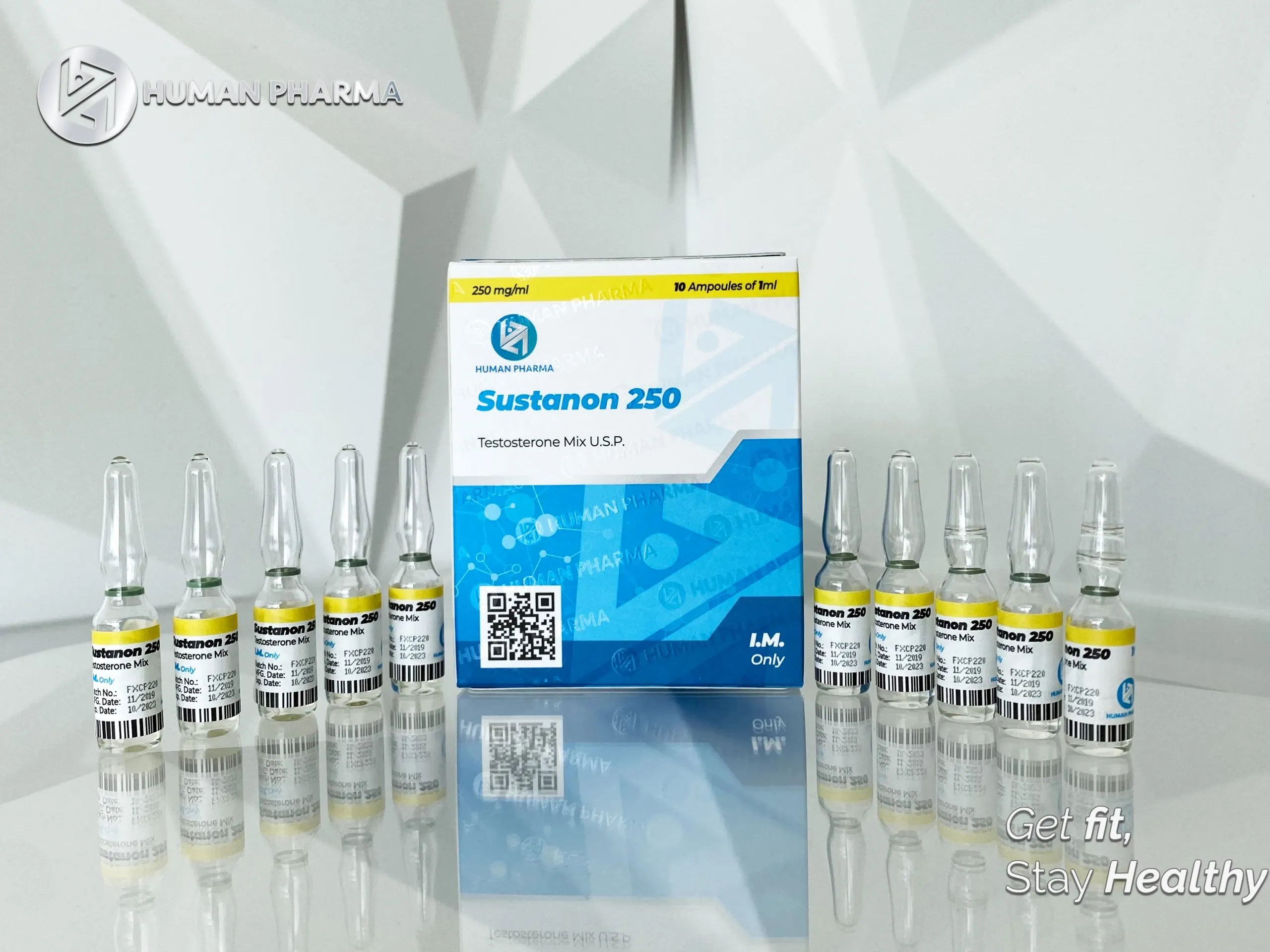
Sustanon 250 Human Pharma is a 10 mL oil-based injectable testosterone blend formulated at 250 mg/mL. It combines four testosterone esters—testosterone propionate, phenylpropionate, isocaproate, and decanoate—to provide an early increase in testosterone followed by a more prolonged release.
Each 1 mL contains 250 mg of combined esterified testosterone ingredients. Sustanon testosterone is medically associated with testosterone replacement in men with properly confirmed hypogonadism, although the appropriate dosage and injection schedule must be determined through clinical evaluation and laboratory monitoring.
Potential effects of testosterone may include improved sexual function in hypogonadal men, increased lean mass, and support for bone density and red-blood-cell production. Possible adverse effects include elevated hematocrit and blood pressure, acne, fluid retention, gynecomastia, lipid changes, suppressed sperm production, and injection-site reactions.
Product details
- Brand: Human Pharma
- Active ingredient: Four-ester testosterone blend
- Concentration: 250 mg/mL
- Vial size: 10 mL
- Total ester content per vial: 2,500 mg
- Administration: Deep intramuscular injection
Sustanon 250 : Testosterone Blend, Dosage, Benefits, Side Effects, Price, and Injection Facts
Written by: Ethan Walker, Health and Performance Content Writer
Medical review status: Pending independent clinical review
Pharmacology review status: Pending independent pharmacology review
Last updated: August 11, 2026
Evidence reviewed through: August 11, 2026
Sustanon 250 is an oil-based injectable testosterone product that combines four testosterone esters in one 1 mL ampoule. The authorized formulation contains 30 mg of testosterone propionate, 60 mg of testosterone phenylpropionate, 60 mg of testosterone isocaproate, and 100 mg of testosterone decanoate. Those ester weights total 250 mg, but the ampoule supplies approximately 176 mg of testosterone after the ester groups are excluded (Aspen Pharma Trading Limited, 2025).
That distinction resolves one of the most common misunderstandings about this product: Sustanon 250 does not contain 250 mg of ester-free testosterone. The number on the label refers to the combined mass of its four esterified ingredients.
In countries where the product is authorized, its principal medical purpose is testosterone replacement therapy for male hypogonadism confirmed by both compatible clinical features and biochemical testing. It is also used outside medical care for physique and performance enhancement, but those practices should not be confused with licensed replacement therapy. They involve different objectives, exposures, and risk profiles.
This guide explains what Sustanon testosterone is, how the four-ester formulation behaves, what the evidence actually supports, why Sustanon 250 dosage of 1 mL per week is not the standard schedule in the product information, and what patients should know about benefits, side effects, monitoring, price, legal status, and athletic drug testing.
Medical disclaimer: This article is educational and does not diagnose testosterone deficiency, prescribe Sustanon 250, or provide a self-injection protocol. Testosterone is a prescription medicine and a Schedule III controlled substance in the United States. Diagnosis, treatment, injection, laboratory monitoring, and dose changes require a qualified healthcare professional.
Sustanon 250 at a Glance
Sustanon 250 at a Glance
| Question | Evidence-Based Answer |
|---|---|
| What is Sustanon 250? | A 1 mL oil-based intramuscular injection containing four testosterone esters. |
| How much testosterone does it contain? | 250 mg of combined esterified ingredients, equivalent to approximately 176 mg of testosterone. |
| What is it medically used for? | Testosterone replacement in appropriately evaluated patients with confirmed hypogonadism in countries where the product is authorized. |
| What is the usual dosage in the current product information? | Usually 1 mL every three weeks, adjusted to the individual patient’s clinical response and testosterone measurements. |
| Is 1 mL per week the standard medical dosage? | No. One milliliter weekly delivers 250 mg of esterified testosterone every week—three times the labeled amount over a three-week period. |
| How quickly do levels peak? | The product information reports a peak at approximately 24–48 hours after a single injection. |
| How long does one injection last? | After one labeled dose, testosterone returns toward the lower end of the normal male range in approximately 21 days. |
| What are the main potential benefits? | Correction of deficiency symptoms, improved sexual function in some hypogonadal men, increased lean mass and bone density, and correction of some cases of anemia. |
| What are the main risks? | Elevated hematocrit, increased blood pressure, acne, edema, gynecomastia, changes in lipids and mood, suppression of sperm production, prostate-monitoring requirements, and injection-related reactions. |
| Is it allowed in tested sports? | No. Exogenous testosterone is prohibited by the World Anti-Doping Agency unless an athlete has an approved therapeutic use exemption. |
What Is Sustanon 250?
Sustanon 250 is a brand formulation of injectable testosterone. It is sometimes called Sustanon test, Sustanon testosterone, a testosterone blend, or a Sustanon steroid. All of those descriptions refer to the same central fact: the active hormone ultimately released from every ester in the formulation is testosterone.
Testosterone is both an androgen and an anabolic steroid. Its androgenic effects support male sexual development, libido, reproductive physiology, hair and skin changes, and other sex-specific characteristics. Its anabolic effects influence muscle protein turnover, lean tissue, bone, and red-blood-cell production. Calling Sustanon an anabolic steroid is therefore pharmacologically correct, even though the term “steroid” is often used only in discussions of nonmedical bodybuilding.
The authorized product is a clear, pale-yellow oil solution intended for deep intramuscular administration. Its UK marketing authorization dates to 1973, while the currently available Summary of Product Characteristics was revised in December 2025 (Aspen Pharma Trading Limited, 2025).
Is Sustanon 250 the Same as Testosterone?
Not exactly at the moment it is inside the ampoule, but effectively yes after absorption and metabolism.
The ampoule contains testosterone esters rather than unmodified testosterone. An ester is a chemical side chain attached to the testosterone molecule. Esterification changes how quickly the drug leaves the oily intramuscular depot; it does not create four different anabolic hormones. After the esters enter the circulation, enzymes hydrolyze them and release testosterone.
The resulting hormone can then:
- Bind directly to androgen receptors.
- Be converted by 5-alpha-reductase into dihydrotestosterone, or DHT.
- Be converted by aromatase into estradiol.
- Suppress pituitary luteinizing hormone and follicle-stimulating hormone through negative feedback.
The conversions to DHT and estradiol help explain both therapeutic effects and adverse effects. DHT contributes to androgen-responsive skin, hair, and prostate effects. Estradiol is important for bone and sexual physiology but can also contribute to breast tenderness or gynecomastia when exposure and individual susceptibility are sufficient.
Sustanon 250 Composition: The Four Testosterone Esters
Each 1 mL ampoule of the authorized Sustanon 250 formulation contains the following:
| Testosterone ester | Amount per 1 mL | General role in the blend |
| Testosterone propionate | 30 mg | Shorter-release component |
| Testosterone phenylpropionate | 60 mg | Short-to-intermediate component |
| Testosterone isocaproate | 60 mg | Intermediate component |
| Testosterone decanoate | 100 mg | Longer-release component |
| Total ester weight | 250 mg | Combined label strength |
| Approximate testosterone content | 176 mg | Testosterone remaining after excluding ester mass |
Source: Aspen Pharma Trading Limited (2025).
Why Use Four Esters?
Combining esters with different release characteristics was intended to provide an early rise in testosterone followed by a more prolonged release. The short component does not act alone and then “switch off” exactly when another component begins. All four depots release concurrently at different rates, creating overlapping concentration curves.
This overlap is also why the phrase “perfectly stable testosterone” is too simplistic. According to the product’s pharmacokinetic data, total testosterone can reach approximately 70 nmol/L at 24–48 hours after one injection and then decline toward the lower boundary of the normal male range over about 21 days (Aspen Pharma Trading Limited, 2025). That is a peak-and-decline pattern, not a flat line.
Why 250 mg Does Not Equal 250 mg of Free Testosterone
The propionate, phenylpropionate, isocaproate, and decanoate chains each add molecular weight. Once those chains are removed, the amount attributable to testosterone itself is lower. The current product information explicitly identifies the total testosterone content as 176 mg per mL.
This matters when comparing products. A person cannot assume that 250 mg of one testosterone ester, 250 mg of another ester, and 250 mg of a mixed-ester product deliver identical quantities of testosterone or identical concentration curves. The ester mass, carrier oil, injection route, dosing interval, and product-specific pharmacokinetics all matter.
How Does Sustanon Testosterone Work?
After a deep intramuscular injection, the oily solution forms a depot in muscle tissue. The esterified testosterone molecules gradually move out of that depot, enter the circulation, and are hydrolyzed to testosterone. More than 97% of circulating testosterone is nonspecifically bound to plasma proteins and sex hormone-binding globulin in laboratory testing. Testosterone is subsequently metabolized to compounds that include DHT and estradiol, and its metabolites are eliminated mainly in urine (Aspen Pharma Trading Limited, 2025).
Pharmacokinetic Timeline After One Sustanon 250 Injection
| Stage | What the authorized product information reports |
| Administration | Deep intramuscular injection of an oil solution |
| Early rise | Testosterone concentrations increase as the esters leave the depot and are hydrolyzed |
| Approximate peak | Around 24–48 hours after injection |
| Reported peak level | Approximately 70 nmol/L after a single 1 mL dose |
| Later phase | Concentrations progressively decline as release and elimination continue |
| Approximate return to lower normal boundary | Around 21 days in males after one injection |
These values describe averages reported for the authorized product. They do not predict the exact concentration in every person. Body composition, injection technique, muscle site, SHBG, clearance, previous doses, dose interval, and the laboratory timing can all alter the measured result.
Does the Four-Ester Blend Make Sustanon Better?
It makes Sustanon different, not universally better.
Potential advantages include a recognized multi-week labeled interval and a pharmacokinetic profile that combines an early peak with prolonged release. Potential disadvantages include a substantial early peak, later troughs in some patients, and more complicated interpretation than a single-ester product. Whether a mixed ester, testosterone cypionate, testosterone enanthate, a gel, or another formulation is preferable depends on clinical response, laboratory values, access, cost, adverse effects, and patient preference.
Medical Uses of Sustanon 250
The primary indication in the current Sustanon 250 product information is testosterone replacement for male hypogonadism when deficiency has been confirmed by clinical features and biochemical tests (Aspen Pharma Trading Limited, 2025).
Hypogonadism is not established by fatigue, poor gym performance, low mood, or one isolated laboratory result alone. These findings can have many causes. Evidence-based evaluation combines symptoms, repeat hormone measurements, and investigation of why testosterone is low.
How Testosterone Deficiency Is Diagnosed
The Endocrine Society recommends diagnosing hypogonadism only when a man has compatible symptoms or signs plus unequivocally and consistently low testosterone. It recommends an accurate fasting morning total-testosterone measurement and confirmation with a second morning measurement. Free testosterone may be helpful when total testosterone is near the lower limit or when a condition alters SHBG (Bhasin et al., 2018).
The American Urological Association uses total testosterone below 300 ng/dL as a reasonable diagnostic cutoff and likewise states that diagnosis should rely on two early-morning measurements on separate occasions together with symptoms or signs (American Urological Association, n.d.).
Depending on the presentation, evaluation may also include:
- Luteinizing hormone and follicle-stimulating hormone.
- Prolactin when indicated.
- Review of medications and substance use.
- Assessment for obesity, sleep disorders, pituitary disease, testicular disease, systemic illness, or prior androgen exposure.
- Fertility goals.
- Baseline hematocrit, blood pressure, and prostate risk assessment.
For a broader explanation of symptoms, repeat testing, and treatment selection, read our guides to low testosterone and testosterone replacement therapy for men.
Medical Replacement Is Not the Same as Performance Enhancement
Medical testosterone replacement aims to correct a documented deficiency and maintain concentrations in an appropriate physiological range. Nonmedical enhancement aims to push androgen exposure beyond what is required to correct a deficiency. Those are not interchangeable concepts even when the molecule is testosterone.
Controlled research confirms that supraphysiologic testosterone can increase lean mass and strength in a dose-dependent manner. In a graded-dose trial using testosterone enanthate—not Sustanon 250—fat-free mass increased progressively at higher weekly doses (Bhasin et al., 2001). That study establishes a biological dose-response relationship; it does not validate a Sustanon cycle, prove long-term safety, or supply an individualized dosing recommendation.
Sustanon 250 Benefits: What the Evidence Supports
The potential benefits of Sustanon 250 depend heavily on who receives it. A man with symptoms and confirmed pathological testosterone deficiency has a different benefit-risk calculation from an eugonadal person using testosterone for physique enhancement.
1. Improvement in Sexual Symptoms
Testosterone replacement can improve sexual desire and activity in some men with genuinely low testosterone. In the Testosterone Trials, raising testosterone into the mid-normal range produced a moderate improvement in sexual function among symptomatic men aged 65 or older with low concentrations. Benefits for vitality and walking distance were less convincing (Snyder et al., 2016).
This evidence applies to appropriately selected hypogonadal men treated to physiological targets. It does not mean every case of erectile dysfunction or low libido is caused by testosterone deficiency. Vascular disease, diabetes, medication effects, depression, relationship factors, sleep disorders, and other endocrine conditions may be more important.
2. Lean Mass and Body Composition
Testosterone has an anabolic effect on skeletal muscle. Replacement can increase lean body mass in hypogonadal men, while higher exposures can produce larger dose-dependent changes. The Sustanon product information also reports increased lean mass and reduced fat mass during treatment of hypogonadal men (Aspen Pharma Trading Limited, 2025).
However, three qualifications matter:
- Lean-mass gain is not synonymous with equal improvement in real-world function.
- Early scale-weight changes can include water and sodium retention.
- Supraphysiologic exposure may magnify both anabolic effects and adverse effects.
Sustanon 250 is not an approved obesity medication or a substitute for nutrition, resistance training, sleep, and management of metabolic disease.
3. Bone Density
Testosterone replacement may improve bone mineral density and estimated bone strength in hypogonadal men. Yet improved density should not be translated automatically into fewer fractures. A prespecified TRAVERSE substudy found no fracture reduction; clinical fractures occurred in 3.50% of testosterone-treated participants and 2.46% of placebo participants over a median follow-up of 3.19 years (Snyder et al., 2024).
The reason for the unexpected fracture signal remains uncertain. The practical conclusion is that testosterone should not be presented as a stand-alone fracture-prevention treatment.
4. Correction of Some Cases of Anemia
Testosterone stimulates erythropoiesis. In a randomized TRAVERSE substudy involving more than 5,000 men, treatment was more effective than placebo at correcting anemia in hypogonadal men and reduced the development of new anemia among participants who were not anemic initially (Pencina et al., 2023).
This potential benefit has a mirror-image risk: excessive stimulation can raise hematocrit too far and produce erythrocytosis or polycythemia. Hemoglobin and hematocrit therefore require monitoring.
5. Mood and Energy
Some hypogonadal men report improved well-being after correction of testosterone deficiency, and trials suggest modest improvement in depressive symptoms in selected groups. The response is inconsistent, and testosterone is not a primary treatment for major depressive disorder or unexplained fatigue. Sleep apnea, anemia, thyroid disease, medication effects, substance use, caloric restriction, overtraining, and psychiatric illness should not be overlooked.
Evidence Summary for Common Sustanon 250 Benefit Claims
| Claimed benefit | What evidence supports | Important limitation |
| Higher libido | Possible improvement in symptomatic hypogonadal men | Not all sexual dysfunction is testosterone-related |
| Better erections | Modest benefit in some men with confirmed deficiency | Vascular and psychological causes may persist |
| Increased lean mass | Supported; magnitude rises with exposure | Lean mass does not equal proportionate functional gain |
| Greater strength | Supported at supraphysiologic testosterone exposure | Higher exposure also increases risk; data are not a Sustanon protocol |
| Lower body fat | Some improvement in body composition can occur | Not an obesity treatment and not guaranteed |
| Stronger bones | Bone density can improve | Fracture reduction has not been demonstrated; TRAVERSE found more fractures numerically |
| More energy | Variable and often modest | Fatigue has many nonhormonal causes |
| Correction of anemia | Supported in selected hypogonadal men | Excessive erythropoiesis can cause high hematocrit |
Sustanon 250 Dosage
What Is the Labeled Medical Sustanon 250 Dosage?
The current Summary of Product Characteristics states that dose should be adjusted to the response of the individual patient and that, for adults, one 1 mL injection every three weeks is usually adequate. It also directs clinicians to monitor testosterone and individualize the dose to maintain eugonadal levels (Aspen Pharma Trading Limited, 2025).
That is a product-label reference, not a personal prescription. A prescriber may alter the interval or select a different testosterone formulation based on symptoms, peak or trough effects, laboratory values, adverse reactions, comorbidities, and treatment goals.
Sustanon 250 Dosage: Is 1 mL per Week Appropriate?
The keyword “Sustanon 250 dosage 1ml per week” is common, but it needs a precise answer:
One milliliter per week is not the usual dosage stated in the authorized Sustanon 250 product information.
One 1 mL ampoule contains:
- 250 mg of combined testosterone esters.
- Approximately 176 mg of testosterone after excluding ester weight.
At 1 mL every week, the three-week total would be:
- 750 mg of combined testosterone esters, compared with 250 mg over three weeks under the usual labeled schedule.
- Approximately 528 mg of testosterone content, compared with approximately 176 mg over three weeks under the usual labeled schedule.
This arithmetic does not predict an exact blood level, but it shows why “1 mL per week” should not be described as equivalent to the labeled replacement schedule. It represents three times the labeled ester amount over the same three-week period and is more likely to produce supraphysiologic exposure in many users.
Potential dose-related consequences include:
- Higher hematocrit and hemoglobin.
- More acne and oily skin.
- Greater estrogenic and DHT-mediated effects.
- Increased blood pressure and fluid retention.
- More complete suppression of LH, FSH, endogenous testosterone, and sperm production.
- Greater changes in lipids.
- Mood effects and a more difficult withdrawal period.
No article can determine whether a weekly amount is appropriate for a particular person without a diagnosis, serial laboratory data, examination, and a prescriber’s assessment.
Why a “Bodybuilding Dosage” Is Not a Medical Dosage
There is no evidence-based, universally safe Sustanon bodybuilding dose. Online cycle tables frequently combine anecdotal practices, products with different concentrations, and goals unrelated to licensed therapy. They also tend to omit baseline cardiovascular risk, fertility, psychiatric history, product quality, cumulative lifetime exposure, and the use of other drugs.
Clinical replacement evidence cannot simply be extrapolated to enhancement doses. The cardiovascular reassurance from TRAVERSE, for example, came from men with documented hypogonadism who received transdermal testosterone titrated to a target range—not mixed regimens of high-dose injectable anabolic steroids (Lincoff et al., 2023).
Why Laboratory Timing Matters
Sustanon produces a post-injection peak and a later decline. A testosterone measurement taken shortly after injection may look very different from one taken near the end of the interval. Results are interpretable only when the clinician knows:
- The date and time of the last injection.
- The exact product and concentration.
- The prescribed interval.
- Whether dosing has reached a steady pattern.
- Whether the sample was intentionally collected near a peak, midpoint, or trough.
A patient should follow the timing requested by the prescriber and laboratory instead of selecting a convenient day without documenting the injection schedule.
Sustanon 250 Injection: Administration and Storage Facts
The authorized product information specifies deep intramuscular injection. It also states that oily solutions should be injected very slowly and that the patient should be observed during and immediately after administration because pulmonary oil microembolism can occur rarely (Aspen Pharma Trading Limited, 2025).
This guide intentionally does not provide a step-by-step self-injection technique. Needle selection, injection site, anatomical assessment, aseptic preparation, management of sharps, and recognition of complications should be taught by a licensed healthcare professional.
Injection-Related Reactions
Possible local reactions include pain, swelling, redness, bleeding, or irritation. More serious complications can include infection, abscess, nerve or vascular injury, and reactions to the oil or other excipients.
Rare pulmonary oil microembolism can produce symptoms during or immediately after an oily injection, including:
- Sudden cough.
- Shortness of breath.
- Chest pain.
- Sweating.
- Dizziness.
- Tingling or abnormal sensations.
- Fainting.
Sudden breathing difficulty, chest pain, collapse, facial swelling, or signs of anaphylaxis require emergency assessment.
Peanut Oil, Soy Allergy, and Benzyl Alcohol
The authorized formulation contains refined arachis oil, also known as peanut oil, and benzyl alcohol. It is contraindicated in patients allergic to peanuts or soy because of the potential relationship between those allergies. Product excipients can differ across manufacturers, so the exact label must be checked rather than assuming every product called Sustanon uses the same carrier (Aspen Pharma Trading Limited, 2025).
How Should Sustanon 250 Be Stored?
The current product information states:
- Store below 30°C.
- Do not refrigerate or freeze.
- Keep it in the original packaging to protect it from light.
- Do not use it after the stated expiration date.
Storage instructions from one authorized product should not be applied blindly to a different manufacturer. Follow the packaging supplied with the prescribed medicine.
Sustanon 250 Side Effects
The risk of side effects depends on dose, interval, peak concentration, duration, age, genetics, baseline health, concurrent drugs, and whether treatment is restoring a deficiency or creating supraphysiologic exposure.
Common or Clinically Important Sustanon 250 Side Effects
| System | Possible effects |
| Blood | Increased red-blood-cell count, hemoglobin, and hematocrit; polycythemia |
| Cardiovascular | Increased blood pressure, fluid retention, edema; possible worsening of existing cardiac disease |
| Skin and hair | Acne, oily skin, itching, accelerated androgenic hair loss in susceptible people |
| Breast and endocrine | Gynecomastia, breast tenderness, altered estradiol, suppression of LH and FSH |
| Reproductive | Reduced sperm count, infertility, testicular volume reduction, ejaculation changes, priapism |
| Prostate and urinary | PSA increase, prostate growth, possible worsening of lower urinary tract symptoms |
| Mood and nervous system | Irritability, nervousness, mood changes, libido increase or decrease, depressive symptoms during withdrawal |
| Metabolic | Weight gain, water retention, changes in HDL, LDL, and triglycerides |
| Respiratory | Possible worsening of sleep apnea; rare pulmonary oil microembolism |
| Injection site | Pain, inflammation, bleeding, infection, or other local reaction |
Elevated Hematocrit and Polycythemia
Testosterone increases red-blood-cell production. This can correct anemia, but it can also cause excessive hematocrit elevation. High hematocrit increases blood viscosity and is one of the most important laboratory adverse effects of injectable testosterone.
Headache, flushing, fatigue, blurred vision, or elevated blood pressure may occur, but erythrocytosis can also be asymptomatic. The absence of symptoms does not replace a complete blood count. If hematocrit rises excessively, the clinician must reassess the dose, interval, formulation, sleep apnea, smoking, dehydration, altitude exposure, and other contributors.
Blood Pressure and Cardiovascular Safety
In 2025, the FDA announced class-wide labeling changes that included removing boxed-warning language about an increased risk of major adverse cardiovascular outcomes after reviewing TRAVERSE. It simultaneously required warnings about increased blood pressure because postmarket ambulatory monitoring studies confirmed a class-wide effect (U.S. Food and Drug Administration, 2025).
TRAVERSE enrolled 5,246 men aged 45–80 with hypogonadism and established cardiovascular disease or elevated cardiovascular risk. Major cardiovascular events occurred in 7.0% of the testosterone group and 7.3% of the placebo group, meeting the study’s criterion for noninferiority. However, atrial fibrillation, acute kidney injury, and pulmonary embolism occurred more often in the testosterone group (Lincoff et al., 2023).
Those findings are reassuring for properly indicated replacement within the studied context, but they do not establish the cardiovascular safety of high-dose Sustanon use, steroid stacking, or long-term supraphysiologic exposure. In the prospective HAARLEM study, nonmedical anabolic-androgenic steroid use was associated with increased left-ventricular mass and impaired systolic and diastolic function during cycles; the observed changes returned toward baseline after discontinuation in that cohort (Smit, Voogel, et al., 2021).
Cholesterol Changes
Testosterone can alter the lipid profile. The Sustanon product information lists abnormal lipids and reports possible reductions in HDL as well as changes in LDL and triglycerides. Effects vary by formulation, dose, diet, genetics, and other drugs. Supraphysiologic androgen exposure—especially when combined with oral anabolic steroids—may produce a much less favorable profile than medically supervised replacement.
Gynecomastia and Estrogenic Effects
Some testosterone is aromatized into estradiol. Breast tenderness or gynecomastia may appear when estrogenic stimulation exceeds what the individual’s breast tissue tolerates. Body-fat level, dose, peak concentration, genetics, liver function, other medications, and prior gynecomastia can influence risk.
Symptoms should prompt clinical evaluation rather than automatic self-treatment. A breast lump, nipple discharge, marked asymmetry, skin changes, or persistent pain requires assessment because not every breast finding in a man is simple gynecomastia.
Acne, Oily Skin, and Hair Loss
Androgen receptors in sebaceous glands and hair follicles help explain acne, oily skin, and accelerated male-pattern hair loss. Testosterone can worsen androgenic alopecia in genetically susceptible individuals. Lowering DHT does not eliminate all androgenic effects, and adding prescription drugs without medical supervision can create additional sexual, reproductive, psychiatric, or metabolic problems.
Fertility Suppression and Testicular Function
Exogenous testosterone suppresses hypothalamic and pituitary signaling. As LH and FSH fall, intratesticular testosterone and sperm production can decline substantially. A man can have high blood testosterone while producing very few sperm.
The HAARLEM study prospectively followed 100 male amateur athletes using supraphysiologic androgens. During exposure, 77% had a total sperm count below 40 million. Testosterone normalized within about three months after cessation in most participants, but estimated sperm-count recovery took roughly one year and not every participant fully recovered (Smit, Buijs, et al., 2021).
Men who want biological children should discuss fertility before starting testosterone. Testosterone replacement is not a fertility treatment and should not be assumed to function as reliable contraception.
Prostate Effects
Testosterone can increase PSA and prostate volume, and clinicians should assess prostate risk before and during treatment when appropriate. It is contraindicated in men with known or suspected prostate or male breast cancer under the Sustanon product information.
In a carefully screened TRAVERSE population, the incidence of high-grade prostate cancer was low and did not differ significantly between testosterone and placebo over the study period. PSA rose more in the testosterone group, particularly during the first year (Bhasin et al., 2023). These results do not eliminate the need for screening or apply automatically to men with unevaluated prostate symptoms, high baseline PSA, known cancer, or supraphysiologic exposure.
Mood, Dependence, and Withdrawal
The Sustanon product information warns that testosterone abuse can lead to cardiovascular, hepatic, and psychiatric events, dependence, and withdrawal symptoms after a major dose reduction or abrupt discontinuation (Aspen Pharma Trading Limited, 2025).
Possible withdrawal experiences include low mood, fatigue, reduced libido, anxiety, sleep disturbance, and loss of strength or body mass. Severe depression or suicidal thinking requires urgent professional care. Returning immediately to androgen use may temporarily relieve hypogonadal symptoms while reinforcing dependence and postponing recovery.
Side Effects in Women
Testosterone can cause virilization, including acne, increased facial or body hair, scalp hair loss, menstrual disruption, clitoral enlargement, and deepening of the voice. Some changes—particularly voice deepening—may be irreversible. Sustanon 250 is contraindicated during pregnancy because testosterone can virilize a fetus, and it is also contraindicated during breastfeeding under the cited product information (Aspen Pharma Trading Limited, 2025).
Who Should Not Use Sustanon 250?
According to the authorized product information, contraindications include:
- Known or suspected prostate cancer.
- Known or suspected male breast cancer.
- Pregnancy.
- Breastfeeding.
- Hypersensitivity to the active ingredients or excipients.
- Peanut or soy allergy for the authorized arachis-oil formulation.
Additional conditions may make testosterone inappropriate or require specialist assessment, including elevated hematocrit, untreated severe sleep apnea, uncontrolled hypertension, severe heart failure, recent major cardiovascular events, thrombophilia, significant lower urinary tract symptoms, unexplained PSA elevation, severe hepatic or renal disease, and an active desire for fertility (Bhasin et al., 2018).
Monitoring Before and During Sustanon Testosterone Treatment
Monitoring is not an optional add-on. It is what distinguishes a medically managed hormone treatment from blind exposure.
Suggested Clinical Monitoring Framework
| Stage | Commonly assessed items | Purpose |
| Before treatment | Symptoms, examination, two morning testosterone measurements | Confirm that deficiency is real and persistent |
| Cause evaluation | LH, FSH, prolactin or other tests when indicated | Distinguish testicular from pituitary/hypothalamic causes |
| Safety baseline | Complete blood count/hematocrit, blood pressure, cardiovascular history | Identify risks that testosterone may worsen |
| Prostate assessment | PSA and clinical prostate evaluation according to age and risk | Establish baseline and identify contraindications |
| Metabolic assessment | Lipid profile, glucose-related testing, weight, sleep apnea risk | Identify modifiable cardiovascular and respiratory risk |
| Fertility review | Reproductive plans and semen evaluation when appropriate | Avoid preventable suppression in men seeking fertility |
| Early follow-up | Symptoms, adverse effects, blood pressure, testosterone, CBC | Determine response and avoid excessive exposure |
| Ongoing follow-up | Testosterone, hematocrit/hemoglobin, PSA when indicated, lipids, liver tests, clinical review | Maintain benefit while detecting emerging harm |
The Sustanon SmPC advises baseline and regular testosterone measurement, with individualized dose adjustment. It also states that clinicians should consider prostate assessment, PSA, hematocrit, and hemoglobin before treatment, quarterly during the first 12 months, and yearly thereafter, with longer-term monitoring of liver tests and lipids (Aspen Pharma Trading Limited, 2025).
The exact schedule should be individualized. A patient with rising hematocrit, hypertension, thrombosis risk, urinary symptoms, fertility concerns, or substantial post-injection symptoms may need earlier evaluation.
Symptoms That Require Prompt or Emergency Assessment
Seek urgent medical care for:
- Chest pain, sudden shortness of breath, coughing blood, or fainting.
- One-sided leg swelling, redness, or pain.
- New weakness, facial droop, speech difficulty, or severe sudden headache.
- A prolonged painful erection.
- Severe allergic symptoms after injection.
- High fever, spreading redness, drainage, or severe pain at an injection site.
- Severe agitation, depression, psychosis, or suicidal thoughts.
Sustanon 250 vs. Other Testosterone Injections
Every testosterone ester ultimately delivers testosterone, but formulation and release profile influence convenience, peak-to-trough variation, laboratory timing, excipients, and availability.
| Feature | Sustanon 250 | Testosterone cypionate | Testosterone enanthate |
| Ester design | Four esters | One ester | One ester |
| Labeled concentration discussed here | 250 mg ester weight per 1 mL | Common U.S. products include 100 or 200 mg/mL | Concentration varies by product |
| Approximate testosterone in Sustanon ampoule | 176 mg per 1 mL | Product-specific | Product-specific |
| Authorized schedule cited | Usually 1 mL every three weeks, individualized | U.S. labels commonly state 50–400 mg every 2–4 weeks, individualized | Product-specific labeling and clinical practice vary |
| Release pattern | Early peak plus overlapping longer release | Single-ester depot | Single-ester depot |
| U.S. context | The cited Sustanon label is a UK authorization | Multiple U.S.-labeled prescription products exist | U.S.-labeled prescription products exist |
DailyMed reports an approximate eight-day intramuscular half-life for testosterone cypionate, but a single number should not be used to claim one product is automatically smoother or superior (National Library of Medicine, n.d.). Real-world tolerability depends on the dose, interval, route, assay timing, and person. For a more detailed single-ester comparison, see our complete testosterone enanthate guide.
Sustanon 250 vs. Testosterone Cypionate
Sustanon uses four esters, whereas cypionate uses one. Sustanon’s label describes a peak at 24–48 hours followed by a decline over approximately three weeks. Testosterone cypionate has a reported intramuscular half-life of about eight days. Both can cause erythrocytosis, acne, blood-pressure elevation, fertility suppression, and other testosterone-class effects.
For a U.S. patient, regulatory status and lawful pharmacy access may be more important than theoretical ester preference. A licensed clinician can select an FDA-approved formulation and titrate it using a known product label.
Sustanon 250 vs. Testosterone Enanthate
Testosterone enanthate is another single-ester depot. Its pharmacology is easier to describe with one ester, while Sustanon creates a composite release curve. Neither is inherently “cleaner,” more anabolic, or free of estrogenic effects: both release testosterone, which can be converted into estradiol and DHT.
Sustanon 250 vs. Sustanon 350
The phrase Sustanon 350 usually refers to a higher-concentration testosterone blend marketed by a manufacturer or compounding source. It should not be assumed to be the same authorized Sustanon formula with “100 mg extra.”
The official Sustanon 250 formulation cited in this article has a defined four-ester ratio and a total concentration of 250 mg/mL. A product labeled 350 mg/mL may use:
- Different ester amounts.
- A different ester ratio.
- Different carrier oils or solvents.
- A different manufacturer and quality system.
- Different packaging, storage, and administration instructions.
Higher concentration also does not guarantee greater value. More drug and solvent per milliliter may change tolerability, while the clinical and laboratory consequences depend on the actual dose administered. The label and manufacturer documentation—not the word “Sustanon” alone—must define what is in the vial.
Sustanon 250 Price and Availability
There is no single universal Sustanon 250 price. Cost varies by country, manufacturer, pack size, pharmacy, prescription requirements, taxes, insurance, and whether the quoted amount represents one 1 mL ampoule or a multidose vial marketed under a similar name.
The Aspen product information cited throughout this guide is a UK-authorized medicine under marketing authorization PL 39699/0059. It is not a U.S. prescribing label. In the United States, the FDA recognizes several prescription testosterone routes and formulations, while testosterone itself is federally controlled. Therefore, an online price should not be mistaken for an FDA-established list price, an insurance-covered pharmacy price, or evidence that a specific product is lawfully marketed in the United States.
What to Compare When Evaluating a Quoted Price
For lawful prescription access, compare like with like:
- Exact manufacturer and product authorization.
- Number and volume of ampoules or vials.
- Concentration per milliliter.
- Pharmacy dispensing fees.
- Clinician and laboratory costs.
- Insurance coverage.
- Storage requirements.
- Whether the product is dispensed by a licensed pharmacy against a valid prescription.
A price that omits the manufacturer, concentration, volume, and pack count is not meaningfully comparable.
Readers evaluating the full cost of medically supervised treatment should also account for consultations and laboratory monitoring; our testosterone replacement therapy cost guide discusses those broader expenses.
Authenticity and Label Checks
Packaging cannot replace pharmacy verification, but an authorized medicine should have clear, consistent information that includes:
- Product name and concentration.
- Active ingredients and amounts.
- Manufacturer or marketing-authorization holder.
- Batch or lot number.
- Expiration date.
- Storage instructions.
- Patient and professional product information appropriate to the market.
Do not use a product that is leaking, visibly contaminated, expired, mislabeled, or inconsistent with the dispensing pharmacy’s records. Questions about authenticity should go to the licensed pharmacy and manufacturer—not be resolved solely by comparing colors or photographs online.
Is Sustanon 250 Legal in the United States?
Testosterone and anabolic steroids are Schedule III controlled substances under U.S. federal law (Drug Enforcement Administration, n.d.). Lawful possession and use require compliance with federal and state prescription rules. Importation, distribution, or possession outside those rules may carry legal consequences.
The specific product information used in this article comes from a non-U.S. authorization. Readers should not interpret international availability as proof that a particular Sustanon-branded or mixed-ester product is FDA approved or legally dispensable in the United States.
Does Sustanon Show Up on a Drug Test?
Standard workplace drug panels do not ordinarily test for anabolic steroids unless a specific expanded panel is ordered. Sports testing is different. The 2026 World Anti-Doping Agency Prohibited List includes anabolic agents and exogenous testosterone under class S1; they are prohibited at all times (World Anti-Doping Agency, 2025).
Detection does not depend only on whether serum testosterone is currently high. Anti-doping laboratories can evaluate urinary steroid profiles, metabolites, and carbon isotope ratios. Athletes with a legitimate medical need must follow the applicable therapeutic use exemption process before using a prohibited medication.
Common Sustanon 250 Myths
Myth 1: Four Esters Keep Testosterone Perfectly Stable
The authorized pharmacokinetic data show an early peak and a decline over approximately 21 days. The blend extends release; it does not eliminate fluctuation.
Myth 2: A 1 mL Ampoule Contains 250 mg of Pure Testosterone
It contains 250 mg of combined esterified ingredients, equivalent to approximately 176 mg of testosterone.
Myth 3: Sustanon 250 Dosage of 1 mL per Week Is Standard TRT
The current product information usually cites 1 mL every three weeks and individual dose adjustment. Weekly use triples the ester amount delivered over three weeks.
Myth 4: Testosterone Preserves Fertility Because It Is a Natural Hormone
Exogenous testosterone suppresses LH, FSH, intratesticular testosterone, and sperm production. Fertility may take many months to recover and does not always return promptly.
Myth 5: Normal Testosterone on a Blood Test Means the Dose Is Safe
Interpretation depends on when blood was drawn. A late-interval “normal” result can coexist with a much higher post-injection peak. Hematocrit, blood pressure, lipids, PSA when appropriate, symptoms, and adverse effects also matter.
Myth 6: The TRAVERSE Trial Proved All Testosterone Use Is Cardiovascularly Safe
TRAVERSE studied medically selected hypogonadal men using titrated transdermal testosterone. Its findings should not be extrapolated to high-dose injections, multi-drug steroid cycles, or unsupervised use.
Myth 7: Sustanon 350 Is Simply a Stronger Version of Official Sustanon 250
The name alone does not establish the ester composition, excipients, authorization, or quality. The full label must be reviewed.
Frequently Asked Questions About Sustanon 250
Is Sustanon 250 testosterone?
Yes. Sustanon 250 contains four esterified forms that are hydrolyzed to testosterone after administration. It is one testosterone hormone delivered through four depot esters, not four separate anabolic drugs.
What does “Sustanon test” mean?
“Sustanon test” is usually informal shorthand for Sustanon testosterone. In other searches, it may refer to whether Sustanon can be detected in drug testing; standard workplace panels and specialized anti-doping tests are addressed differently, as explained above.
Is Sustanon 250 a steroid?
Yes. Testosterone is an androgenic-anabolic steroid. Sustanon can be a legitimate prescription treatment for confirmed hypogonadism where authorized, while nonmedical performance use is a separate and higher-risk context.
How much testosterone is in 1 mL of Sustanon 250?
One milliliter contains 250 mg of combined testosterone ester ingredients and approximately 176 mg of testosterone after excluding the ester mass.
What is the medical Sustanon 250 dosage?
The current authorized product information states that 1 mL every three weeks is usually adequate for adults, with adjustment based on individual response and testosterone monitoring. That statement is not a personal prescription.
Is Sustanon 250 dosage of 1 mL per week safe?
It cannot be declared safe universally. It is three times the ester amount stated in the usual labeled schedule when compared over three weeks and may create supraphysiologic exposure. A qualified clinician must assess diagnosis, blood levels, hematocrit, blood pressure, fertility, prostate risk, and adverse effects.
When does Sustanon 250 peak?
The authorized product information reports a peak at approximately 24–48 hours after one injection.
How long does Sustanon 250 stay active?
After a single 1 mL dose, testosterone levels return toward the lower limit of the normal male range in approximately 21 days on average. Biological effects, metabolites, suppression of the reproductive axis, and anti-doping detection do not necessarily follow the same timeline.
What are the main Sustanon 250 benefits?
In appropriately diagnosed hypogonadal men, potential benefits include improvement in deficiency-related sexual symptoms, lean mass, bone density, and some cases of anemia. Mood and energy improvements are less consistent. Benefits in deficient patients should not be confused with claims about nonmedical enhancement.
What are the most important Sustanon 250 side effects?
Important risks include high hematocrit, increased blood pressure, acne, fluid retention, gynecomastia, lipid changes, suppressed sperm production, PSA changes, mood effects, and injection complications. Risk generally rises with exposure and individual susceptibility.
Can Sustanon 250 cause infertility?
Yes. Exogenous testosterone suppresses the signals needed for sperm production. Recovery commonly takes longer than recovery of blood testosterone and may require around a year or more after supraphysiologic androgen exposure in some men.
Does Sustanon 250 cause gynecomastia?
It can. Testosterone can be converted into estradiol, which may stimulate breast tissue in susceptible people. Persistent breast symptoms or a discrete mass require medical evaluation.
Can Sustanon 250 cause hair loss?
It may accelerate androgenic hair loss in genetically susceptible individuals. Testosterone and its conversion to DHT can affect androgen-sensitive scalp follicles.
Is Sustanon 350 the same as Sustanon 250?
No assumption should be made from the name alone. Official Sustanon 250 has a specific four-ester composition. Products labeled Sustanon 350 may use different ratios, excipients, manufacturers, and quality standards.
What determines the Sustanon 250 price?
Country, manufacturer, product authorization, ampoule or vial size, pack count, prescription costs, pharmacy fees, laboratory monitoring, and insurance all influence total cost. Quotes must be compared using the same concentration and total volume.
Is Sustanon 250 allowed in competitive sports?
No, not without an approved therapeutic use exemption. Exogenous testosterone is prohibited at all times under the WADA Prohibited List.
Is Sustanon 250 approved for bodybuilding?
No. The cited medical indication is replacement therapy for confirmed hypogonadism. Physique or performance enhancement is not an authorized indication.
Can Sustanon be used as post-cycle therapy?
No. Sustanon is exogenous testosterone and continues suppressing LH and FSH. It does not restart the hypothalamic-pituitary-gonadal axis while it is being administered.
Should Sustanon 250 be refrigerated?
The cited authorized formulation should be stored below 30°C, protected from light, and should not be refrigerated or frozen. Always follow the exact instructions for the dispensed product.
Conclusion: What to Know Before Considering Sustanon 250
Sustanon 250 is a genuine pharmaceutical concept with a defined four-ester composition, not simply a nickname for any high-concentration testosterone blend. One authorized 1 mL ampoule contains 250 mg of combined ester weights—equivalent to approximately 176 mg of testosterone—and usually produces an early peak followed by a decline over about three weeks.
For confirmed hypogonadism, testosterone replacement can improve sexual symptoms, lean mass, bone density, and anemia in selected patients. Those potential benefits coexist with clinically important risks, including elevated hematocrit, higher blood pressure, fertility suppression, acne, edema, gynecomastia, lipid changes, and the need for prostate and cardiovascular assessment.
The popular phrase “Sustanon 250 dosage 1ml per week” should not be mistaken for the usual licensed schedule. Weekly use delivers three times the labeled ester amount over three weeks and cannot be justified by a keyword, gym convention, or isolated testosterone result. Safe medical use begins with a real diagnosis, a lawful prescription, a verified product, clinician-administered or clinician-taught injection care, and ongoing laboratory monitoring.
References
American Urological Association. (n.d.). Testosterone deficiency guideline. Retrieved August 11, 2026, from https://www.auanet.org/guidelines-and-quality/guidelines/testosterone-deficiency-guideline
Aspen Pharma Trading Limited. (2025, December). Sustanon 250, 250 mg/mL solution for injection: Summary of Product Characteristics. electronic Medicines Compendium. https://www.medicines.org.uk/emc/product/5373/smpc
Bhasin, S., Brito, J. P., Cunningham, G. R., Hayes, F. J., Hodis, H. N., Matsumoto, A. M., Snyder, P. J., Swerdloff, R. S., Wu, F. C., & Yialamas, M. A. (2018). Testosterone therapy in men with hypogonadism: An Endocrine Society clinical practice guideline. The Journal of Clinical Endocrinology & Metabolism, 103(5), 1715–1744. https://doi.org/10.1210/jc.2018-00229
Bhasin, S., Travison, T. G., Pencina, K. M., O’Leary, M., Cunningham, G. R., Lincoff, A. M., Nissen, S. E., Lucia, M. S., Preston, M. A., Khera, M., Khan, N., Snabes, M. C., Li, X., Tangen, C. M., Buhr, K. A., & Thompson, I. M. (2023). Prostate safety events during testosterone replacement therapy in men with hypogonadism: A randomized clinical trial. JAMA Network Open, 6(12), e2348692. https://doi.org/10.1001/jamanetworkopen.2023.48692
Bhasin, S., Woodhouse, L., Casaburi, R., Singh, A. B., Bhasin, D., Berman, N., Chen, X., Yarasheski, K. E., Magliano, L., Dzekov, C., Dzekov, J., Bross, R., Phillips, J., Sinha-Hikim, I., Shen, R., & Storer, T. W. (2001). Testosterone dose-response relationships in healthy young men. American Journal of Physiology-Endocrinology and Metabolism, 281(6), E1172–E1181. https://doi.org/10.1152/ajpendo.2001.281.6.E1172
Drug Enforcement Administration. (n.d.). Drug scheduling. Retrieved August 11, 2026, from https://www.dea.gov/drug-information/drug-scheduling
Lincoff, A. M., Bhasin, S., Flevaris, P., Mitchell, L. M., Basaria, S., Boden, W. E., Cunningham, G. R., Granger, C. B., Khera, M., Thompson, I. M., Wang, Q., Wolski, K., Davey, D., Snabes, M. C., Chan, A., Li, X., Yi, T., Huang, B., Pencina, K. M., … Nissen, S. E. (2023). Cardiovascular safety of testosterone-replacement therapy. The New England Journal of Medicine, 389(2), 107–117. https://doi.org/10.1056/NEJMoa2215025
National Library of Medicine. (n.d.). Testosterone cypionate injection, USP [Prescribing information]. DailyMed. Retrieved August 11, 2026, from https://dailymed.nlm.nih.gov/dailymed/drugInfo.cfm?setid=f60c5520-b336-44a2-95d5-f274939fa595
Pencina, K. M., Travison, T. G., Artz, A. S., Lincoff, A. M., Nissen, S. E., Flevaris, P., Chan, A., Li, X., Diegel, S. A., Wannemuehler, K., & Bhasin, S. (2023). Efficacy of testosterone replacement therapy in correcting anemia in men with hypogonadism: A randomized clinical trial. JAMA Network Open, 6(10), e2340030. https://doi.org/10.1001/jamanetworkopen.2023.40030
Smit, D. L., Buijs, M. M., de Hon, O., den Heijer, M., & de Ronde, W. (2021). Disruption and recovery of testicular function during and after androgen abuse: The HAARLEM study. Human Reproduction, 36(4), 880–890. https://doi.org/10.1093/humrep/deaa366
Smit, D. L., Voogel, A. J., den Heijer, M., & de Ronde, W. (2021). Anabolic androgenic steroids induce reversible left ventricular hypertrophy and cardiac dysfunction: Echocardiography results of the HAARLEM study. Frontiers in Reproductive Health, 3, 732318. https://doi.org/10.3389/frph.2021.732318
Snyder, P. J., Bauer, D. C., Ellenberg, S. S., Cauley, J. A., Buhr, K. A., Bhasin, S., Miller, M. G., Khan, N. S., Li, X., & Nissen, S. E. (2024). Testosterone treatment and fractures in men with hypogonadism. The New England Journal of Medicine, 390(3), 203–211. https://doi.org/10.1056/NEJMoa2308836
Snyder, P. J., Bhasin, S., Cunningham, G. R., Matsumoto, A. M., Stephens-Shields, A. J., Cauley, J. A., Gill, T. M., Barrett-Connor, E., Swerdloff, R. S., Wang, C., Ensrud, K. E., Lewis, C. E., Farrar, J. T., Cella, D., Rosen, R. C., Pahor, M., Crandall, J. P., Molitch, M. E., Cifelli, D., … Ellenberg, S. S. (2016). Effects of testosterone treatment in older men. The New England Journal of Medicine, 374(7), 611–624. https://doi.org/10.1056/NEJMoa1506119
U.S. Food and Drug Administration. (2025, February 28). FDA issues class-wide labeling changes for testosterone products. https://www.fda.gov/drugs/drug-alerts-and-statements/fda-issues-class-wide-labeling-changes-testosterone-products
World Anti-Doping Agency. (2025). The 2026 prohibited list: International standard. https://www.wada-ama.org/sites/default/files/2025-09/2026list_en_final_clean_september_2025.pdf
Additional information
Related products
Original price was: $99.00.$69.00Current price is: $69.00.
Original price was: $99.00.$75.00Current price is: $75.00.
Original price was: $99.00.$65.00Current price is: $65.00.
Original price was: $99.00.$65.00Current price is: $65.00.

RETURN POLICY

PAYMENT SECURE