

Test Blend 400 10ml Rotterdam
Test Blend 400 10mL Rotterdam
Test Blend 400 10mL Rotterdam is a high-concentration injectable testosterone blend formulated with three esterified forms of testosterone to provide a balanced release profile. Each milliliter contains 187 mg Testosterone Cypionate, 188 mg Testosterone Enanthate, and 25 mg Testosterone Propionate, delivering a total concentration of 400 mg/mL in a 10 mL multidose vial.
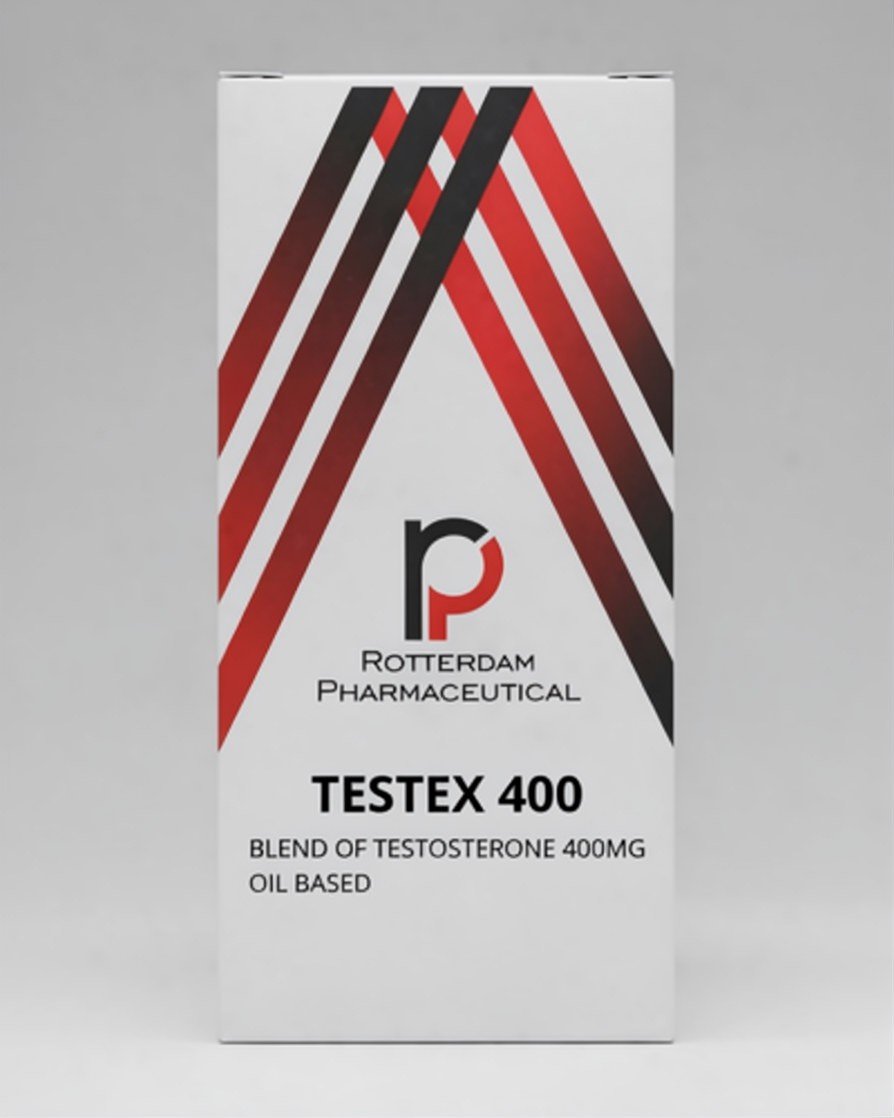
Test Blend 400 Rotterdam: Composition, Pharmacokinetics, Interactions, Monitoring, Cycles, and PCT Evidence
Executive Summary
Test Blend 400 is described here according to the supplied specification as an injectable oil-based testosterone mixture containing, per 1 mL:
| Testosterone ester | Declared amount |
|---|---|
| Testosterone Cypionate | 187 mg |
| Testosterone Enanthate | 188 mg |
| Testosterone Propionate | 25 mg |
| Total esterified testosterone | 400 mg/mL |
The “400 mg” designation refers to the combined molecular weight of the three esterified compounds, not to 400 mg of unesterified testosterone. Using the molecular weights published by PubChem—288.4 g/mol for testosterone, 412.6 g/mol for testosterone cypionate, 400.6 g/mol for testosterone enanthate, and 344.5 g/mol for testosterone propionate—the declared blend contains approximately 287 mg of testosterone base equivalent per milliliter. The remaining mass comes from the ester chains that are cleaved after release from the injection depot.
Pharmacologically, all three ingredients are prodrugs of the same testosterone molecule. The esters do not create three different anabolic hormones. They primarily alter how quickly testosterone leaves the oil depot and becomes available for hydrolysis. The small propionate component contributes disproportionately to early exposure, while the much larger cypionate and enanthate components dominate total exposure, accumulation, and the prolonged decline after the final injection. This release pattern is an inference based on the declared composition and published pharmacokinetic data; the exact concentration-time curve cannot be predicted without a validated product-specific pharmacokinetic study.
No controlled clinical trial was identified for this exact 187/188/25 mg fixed combination. Consequently, evidence from approved testosterone cypionate, testosterone enanthate, testosterone propionate, and other multi-ester products can help explain the blend, but it cannot establish that this specific product is sterile, accurately dosed, bioequivalent to approved products, clinically effective, or safe.
For medically diagnosed hypogonadism, current professional guidance requires symptoms consistent with testosterone deficiency plus consistently low, accurately measured testosterone concentrations. The Endocrine Society recommends confirmation with repeat morning testing, evaluation of the underlying cause, and individualized monitoring rather than treatment based solely on age, nonspecific symptoms, or bodybuilding objectives. In June 2026, the FDA announced requested class-wide label revisions concerning age-related hypogonadism and prostate-related language; however, the FDA continues to describe approved testosterone as prescription treatment for men with low testosterone associated with a medical condition. Product labels may temporarily differ while those revisions are implemented.
There is no evidence-based “safe beginner, intermediate, or advanced bodybuilding dose” of Test Blend 400. Those categories are marketing or community terms, not clinical classifications. Supraphysiologic testosterone can increase fat-free mass, muscle size, and strength, but the trials demonstrating those effects do not validate unsupervised steroid cycles or establish long-term safety. Nonmedical anabolic-androgenic steroid exposure is associated with gonadal suppression, infertility, erythrocytosis, adverse lipid changes, hypertension, psychiatric withdrawal symptoms, and substantially increased cardiovascular risk in long-term users.
Test Blend 400 Composition and Pharmacology
Declared Ester Breakdown and Testosterone-Base Equivalent
Testosterone ester labels report the weight of the complete ester molecule. Because each ester has a different molecular weight, equal milligram quantities do not release equal milligram quantities of testosterone base.
The approximate conversion is:
Testosterone-base equivalent = ester dose × molecular weight of testosterone ÷ molecular weight of the ester
| Component per 1 mL | Ester molecular weight | Approximate testosterone-base equivalent | Share of total base equivalent |
|---|---|---|---|
| 187 mg Testosterone Cypionate | 412.6 g/mol | 130.7 mg | 45.5% |
| 188 mg Testosterone Enanthate | 400.6 g/mol | 135.3 mg | 47.2% |
| 25 mg Testosterone Propionate | 344.5 g/mol | 20.9 mg | 7.3% |
| Total | — | Approximately 287.0 mg | 100% |
These values are chemical-equivalence calculations, not measurements of systemic bioavailability. They assume that the label is accurate and that the esterified compounds are genuine. Carrier oil, solvents, injection technique, depot location, local blood flow, ester purity, particle contamination, and manufacturing quality can all affect actual exposure.
The blend is therefore composed of 93.75% long-acting ester mass—375 mg of cypionate plus enanthate—and only 6.25% propionate ester mass. Even after correcting for ester weight, approximately 92.7% of its testosterone-base equivalent comes from cypionate and enanthate. The product should consequently be understood as a predominantly long-acting testosterone preparation with a relatively small short-acting component, not as an evenly balanced three-ester formula.
What Each Ester Changes
Testosterone propionate has the shortest release profile in the blend. A human pharmacokinetic study found that labeled testosterone derived from intramuscular testosterone propionate remained above physiological concentrations for approximately 48 hours after administration. The study does not establish a universal half-life for every formulation, but it supports the conclusion that propionate contributes primarily to the early phase of exposure.
Testosterone enanthate is a long-acting depot ester. Human studies show a rapid rise after intramuscular administration followed by a decline over subsequent days; one study found that a 200 mg injection maintained average eugonadal testosterone and estradiol exposure through approximately day 11 in hypogonadal men. An apparent half-life of roughly four to five days is frequently cited, although the measured value varies with formulation, oil vehicle, route, study design, and the distinction between absorption and terminal elimination.
Testosterone cypionate is also a long-acting oil-depot ester. Current U.S. labeling states that its intramuscular half-life is approximately eight days. Because cypionate and enanthate account for most of Test Blend 400’s declared mass, the cypionate component is likely to produce the longest meaningful tail after the final injection.
Why 1 mL Is Not a Typical TRT Unit
One full milliliter contains approximately 287 mg of testosterone base equivalent before considering imperfect release or product-quality variability. That is a concentrated amount relative to many approved replacement products and makes fine physiologic titration more difficult.
For comparison, the current XYOSTED label describes single-dose testosterone enanthate autoinjectors containing 50, 75, or 100 mg per device and adjusts treatment according to measured trough concentrations. This does not mean those instructions can be converted directly to Test Blend 400: XYOSTED is a specific FDA-approved subcutaneous formulation with validated manufacturing, route, device, pharmacokinetics, and dose-adjustment instructions, whereas the blend described here has a different concentration, ester mixture, and assumed intramuscular route.
Converting an approved single-ester dose into a fraction of a high-concentration multi-ester product is not a clinically validated substitution. Small measurement errors can produce meaningful dose errors, and an unknown carrier oil or solvent system may not be suitable for a route used by another product.
Test Blend 400 Pharmacokinetics and Expected Release Profile
Absorption and Hydrolysis
After an oil-based intramuscular injection, the esterified molecules form a depot in muscle tissue. Lipophilicity slows their movement from the oil phase into extracellular fluid and circulation. Once released, esterases hydrolyze the ester bond, generating active testosterone and the corresponding ester-derived acid.
All three esters ultimately yield the same bioidentical testosterone molecule. The blend does not produce a unique receptor signal merely because it contains three esters; its distinctive feature is the overlap of three release rates.
The likely sequence is:
- Early phase: Propionate contributes more prominently during the first one to two days.
- Intermediate phase: Enanthate and cypionate concentrations rise and become the principal sources of testosterone.
- Accumulation phase: Repeated administration before full elimination causes overlapping cypionate and enanthate depots.
- Post-discontinuation phase: Propionate declines first, followed by enanthate, while cypionate is expected to create the longest residual exposure.
This is a qualitative model, not a product-specific serum-concentration forecast. No published pharmacokinetic trial was identified for the exact Test Blend 400 composition.
| Ester | Evidence-based interpretation | Approximate practical profile |
|---|---|---|
| Testosterone Propionate | Human data show supraphysiologic labeled testosterone exposure lasting about 48 hours after an intramuscular dose | Earliest contribution; relatively short tail |
| Testosterone Enanthate | Long-acting depot; clinical exposure can remain elevated for more than a week after a single injection | Intermediate-to-long component |
| Testosterone Cypionate | U.S. label reports an intramuscular half-life of approximately eight days | Longest expected tail in this blend |
The half-life values should not be added together or averaged. Each ester is released and eliminated in parallel, and the observed serum curve is the sum of their overlapping contributions.
Expected Persistence After the Final Injection
Using the labeled cypionate half-life of approximately eight days, four to five half-lives correspond to roughly 32–40 days. That period is a mathematical estimate for elimination of most cypionate-derived exposure, not a guarantee of complete clearance, a negative anti-doping test, normalization of testosterone, recovery of fertility, or restoration of pituitary signaling.
Endocrine recovery can take considerably longer than drug elimination because exogenous testosterone suppresses hypothalamic gonadotropin-releasing hormone and pituitary luteinizing hormone and follicle-stimulating hormone. After the ester has declined, the hypothalamic-pituitary-testicular axis may remain suppressed for weeks or months. Men with longer or heavier anabolic-steroid exposure can experience a more prolonged recovery.
Test Blend 400 Mechanism of Action
Hydrolyzed testosterone enters target cells and binds the intracellular androgen receptor. The testosterone-receptor complex moves to the nucleus and modifies gene transcription associated with androgenic and anabolic effects. In some tissues, 5-alpha-reductase converts testosterone to dihydrotestosterone, which has a strong role in the prostate, skin, hair follicles, and external genital tissues. Aromatase converts part of the testosterone exposure to estradiol.
Relevant downstream effects include:
| System | Principal effect |
|---|---|
| Skeletal muscle | Increased androgen-receptor signaling, protein accretion, nitrogen retention, and training responsiveness |
| Bone | Support of bone mineralization through androgen and estradiol pathways |
| Bone marrow | Increased erythropoietic signaling and possible elevation of hemoglobin and hematocrit |
| Brain and sexual function | Effects on libido, mood, energy, and sexual function, with substantial individual variability |
| Hypothalamic-pituitary-testicular axis | Negative feedback, reduced LH and FSH, reduced intratesticular testosterone, and impaired spermatogenesis |
| Skin and hair | Increased sebum, acne, body-hair growth, and possible acceleration of androgen-sensitive scalp hair loss |
| Breast tissue | Estradiol-mediated breast tenderness or gynecomastia in susceptible users |
| Kidney and cardiovascular system | Sodium and water retention, blood-pressure effects, and possible contribution to cardiovascular risk |
Approved testosterone labels warn that large exogenous androgen doses can suppress spermatogenesis and lead to azoospermia. They also describe polycythemia, edema, gynecomastia, sleep-apnea potentiation, lipid changes, blood-pressure increases, and potential psychiatric effects.
Conceptual Week-by-Week Timeline of Test Blend 400
Declared Test Blend 400 Composition Per 1 mL
Declared Total Concentration
400 mg/mL
Exposure, Monitoring and Recovery Timeline
The stages below illustrate a conceptual progression. They do not predict
an individual response or establish a recommended cycle length.
Establish a Baseline
- Document baseline symptoms.
- Measure blood pressure.
- Complete CBC, hormone, lipid, metabolic and fertility evaluations.
Early Exposure Begins
- Propionate contributes to early exposure.
- Enanthate and cypionate begin sustained depot release.
- LH and FSH suppression may begin.
Long Esters Increasingly Dominate
- Long esters increasingly dominate exposure.
- Repeated use can produce depot accumulation.
- Water retention, acne, blood-pressure or estradiol-related symptoms
may appear.
Sustained Androgen Exposure
- Androgen exposure remains sustained.
- Strength and body-composition changes may become measurable.
- Hematocrit, lipids and blood pressure may change.
Cumulative Endocrine Suppression
- Cumulative endocrine suppression continues.
- Fertility impairment and testicular-volume reduction may become
more apparent. - Adverse cardiovascular markers can become increasingly relevant.
Greater Cumulative Exposure
- Greater cumulative exposure.
- Longer post-discontinuation suppression becomes more plausible.
- Risk cannot be inferred from the absence of symptoms.
Release Does Not Stop Immediately
- Propionate declines first.
- Enanthate and cypionate continue releasing testosterone.
- Laboratory assessment immediately after stopping can be misleading.
Recovery Varies Widely
- HPG-axis and fertility recovery vary widely.
- Persistent hypogonadal or psychiatric symptoms require medical
evaluation.
Important:
This conceptual Test Blend 400 timeline provides general educational
context. It is not a dosing recommendation, a cycle plan or a substitute
for individualized medical assessment.
Conceptual Test Blend 400 Exposure and Response Timeline
A visual overview of how the propionate, enanthate and cypionate
components may contribute to early exposure, sustained release,
cumulative suppression and post-discontinuation recovery.
Test Blend 400
Test Blend 400 combines three esterified forms of testosterone in one
injectable formulation. Each ester releases testosterone at a different
rate, creating an early contribution from propionate and a longer,
sustained release from enanthate and cypionate.
Test Blend 400 Composition Per 1 mL
The declared formulation contains two long-chain esters and one
short-chain ester.
Testosterone Cypionate
Provides a prolonged depot release and contributes to sustained
testosterone exposure over time.
Testosterone Enanthate
Adds another sustained-release component and closely complements the
cypionate ester.
Testosterone Propionate
Contributes to earlier testosterone exposure while the longer esters
begin releasing from the injection depot.
How the Three Esters Work Together
Propionate contributes first.
Enanthate and cypionate gradually release testosterone.
The long esters dominate the later release profile.
What Happens After Injection?
1. Depot Formation
The oil-based solution forms a muscular depot.
2. Ester Hydrolysis
Esterases gradually separate the ester chains.
3. Active Testosterone
Every ester ultimately releases the same testosterone molecule.
4. Androgen Receptor Activity
Free testosterone interacts with androgen receptors in responsive
tissues.
The esters do not create three different types of testosterone. They
primarily change the rate at which testosterone leaves the injection
depot and becomes available in circulation.
Educational Notice:
Test Blend 400 is not a standardized FDA-approved formulation under this
specific blend name. Product concentration and sterility depend on the
manufacturer. This infographic is informational and does not provide
individualized medical or dosing advice.
Test Blend 400 Exposure, Monitoring and Recovery Timeline
This conceptual timeline illustrates how early exposure, long-ester
accumulation, endocrine suppression, laboratory changes and recovery
may progress over time.
The stages below illustrate a conceptual progression. They do not
predict an individual response, guarantee specific effects or establish
a recommended cycle length.
Establish a Baseline
- Document baseline symptoms.
- Measure blood pressure.
- Complete CBC, hormone, lipid, metabolic and fertility evaluations.
Early Exposure Begins
- Propionate contributes to earlier testosterone exposure.
- Enanthate and cypionate begin sustained depot release.
- LH and FSH suppression may begin.
Long Esters Increasingly Dominate
- Long esters increasingly dominate overall exposure.
- Repeated administration can produce depot accumulation.
- Water retention, acne, blood-pressure changes or
estradiol-related symptoms may appear.
Sustained Androgen Exposure
- Androgen exposure remains sustained.
- Strength and body-composition changes may become measurable.
- Hematocrit, lipid values and blood pressure may change.
Cumulative Endocrine Suppression
- Cumulative endocrine suppression continues.
- Fertility impairment and testicular-volume reduction may become
more apparent. - Adverse cardiovascular markers may become increasingly relevant.
Greater Cumulative Exposure
- Total cumulative exposure continues to increase.
- Longer post-discontinuation suppression becomes more plausible.
- Risk cannot be inferred from the absence of noticeable symptoms.
Release Does Not Stop Immediately
- Propionate declines first.
- Enanthate and cypionate continue releasing testosterone.
- Laboratory assessment immediately after stopping may provide a
misleading picture of recovery.
Recovery Varies Widely
- HPG-axis and fertility recovery vary considerably between
individuals. - Persistent hypogonadal or psychiatric symptoms require medical
evaluation.
Key Monitoring Areas
Cardiovascular
Blood pressure, HDL, LDL and triglycerides
Hematologic
CBC, hemoglobin and hematocrit
Endocrine
Testosterone, estradiol, LH and FSH
Fertility
Semen analysis when fertility preservation matters
Important:
This conceptual Test Blend 400 timeline provides general educational
context. It is not a dosing recommendation, a cycle plan or a substitute
for individualized medical assessment. The absence of noticeable
symptoms does not confirm that blood pressure, hormone levels, fertility,
lipids or hematocrit remain within healthy ranges.
Test Blend 400 Dosing, Cycle Duration, PCT, and Monitoring
Evidence-Based Dosage Classification
“Beginner,” “intermediate,” and “advanced” are not recognized medical dosing categories. No professional guideline defines a safe Test Blend 400 bodybuilding dose, and the exact product has no validated dose-response, safety, or pharmacokinetic trial.
| Intended use or category | Evidence-based guidance | Key limitation |
|---|---|---|
| Clinical TRT | Use an approved testosterone product only after confirmed hypogonadism, with clinician-directed titration to an appropriate physiologic concentration | The exact Test Blend 400 formulation has no established FDA dosing instructions |
| Approved enanthate example | XYOSTED labeling uses a formulation-specific starting regimen and adjusts it according to a measured seven-day trough after six weeks | Those instructions apply only to XYOSTED and cannot be transferred directly to this blend |
| “Beginner bodybuilding” | No evidence-based safe dose exists; no regimen is recommended | Even comparatively short exposure can suppress LH, FSH, endogenous testosterone, and sperm production |
| “Intermediate bodybuilding” | Not a medical category; escalating exposure increases cumulative risk without establishing a safe threshold | Normal symptoms or a normal single laboratory result do not prove safety |
| “Advanced bodybuilding” | Not a medical category; high-dose or multi-drug use carries serious cardiovascular, endocrine, psychiatric, and fertility risks | Stacking compounds makes causality, interaction assessment, and monitoring less reliable |
| TRT plus bodybuilding use | Increasing a prescribed dose for performance changes replacement therapy into supraphysiologic nonmedical use | Clinical TRT safety findings cannot be extrapolated to bodybuilding exposures |
The Endocrine Society recommends diagnosing hypogonadism only when compatible symptoms coexist with unequivocally and consistently low testosterone, confirmed with repeat morning testing. The guideline also recommends evaluation of LH and FSH to distinguish testicular from hypothalamic-pituitary causes.
The current XYOSTED label illustrates how an approved formulation is managed: diagnosis is confirmed with morning testosterone on two separate days; dosage is adjusted according to measured trough concentrations; and hematocrit, blood pressure, lipids, PSA, symptoms, and adverse effects are monitored. That model emphasizes laboratory-guided titration rather than selecting a dose from bodybuilding experience categories.
Cycle-Duration Analysis
There is no medically validated eight-, ten-, twelve-, or sixteen-week Test Blend 400 bodybuilding cycle. The table below is a duration-risk analysis, not a cycle prescription.
| Duration | What the evidence supports | Principal concern |
|---|---|---|
| Eight weeks | Sufficient time for sustained exposure and meaningful suppression of gonadotropins; absence of visible adverse effects does not indicate physiologic safety | Early HPG-axis suppression, estradiol-related effects, BP changes, acne, altered lipids |
| Ten weeks | A controlled testosterone-enanthate trial demonstrated anabolic effects over ten weeks, but at a supraphysiologic experimental dose and under close research supervision | The efficacy study was not a safety endorsement and cannot validate Test Blend 400 |
| Twelve weeks | Longer cumulative exposure and additional time for hematocrit, BP, lipids, fertility, and psychiatric effects to emerge | Increased cumulative endocrine and cardiovascular burden |
| Sixteen weeks | No trial establishes this as a safe cycle length; prolonged exposure can extend suppression and complicate recovery | Longer residual depot release, delayed endocrine recovery, more cumulative risk |
Bhasin et al. demonstrated that supraphysiologic testosterone can increase muscle mass and strength, but the trial included only 43 men, lasted ten treatment weeks, and was not designed to prove long-term safety. More recent observational evidence connects long-term AAS exposure with hypertension, cardiomyopathy, myocardial infarction, venous thromboembolism, arrhythmia, and heart failure.
In a large Danish cohort published in 2025, documented AAS users had higher adjusted risks of myocardial infarction, coronary revascularization, venous thromboembolism, arrhythmia, cardiomyopathy, and heart failure than controls. Cardiomyopathy showed the largest relative association. Observational data cannot prove that every user will experience these outcomes, but they strongly challenge the idea that repeated bodybuilding cycles are predictably safe.
Test Blend 400 Post-Cycle Therapy Evidence
Post-cycle therapy, or PCT, has no universally accepted, FDA-approved protocol for anabolic-steroid withdrawal. Evidence remains dominated by observational studies, retrospective cohorts, specialist experience, and off-label prescribing. A 2019 clinical review concluded that the evidence for safe and effective management of AAS cessation is weak, although selected men with prolonged suppression or infertility may benefit from specialist-directed clomiphene or human chorionic gonadotropin.
A 2025 retrospective dual-center study compared expectant recovery, clomiphene monotherapy, and clomiphene plus hCG in 79 men after no more than six months of AAS exposure. Treated groups showed faster hormonal or semen recovery on some outcomes, but the study was not randomized, the sample was small, and its findings do not establish a universal protocol. A 2026 review similarly concluded that clomiphene is commonly used off-label, but optimal patient selection, dosing, duration, clinical endpoints, and monitoring remain insufficiently defined.
Commonly Reported Post-Cycle Therapy Approaches
This table summarizes approaches and off-label dosage patterns commonly
discussed in bodybuilding settings, their proposed rationale, and their
most important clinical limitations.
| PCT Approach | Commonly Reported Off-Label Dosage | Proposed Rationale | Important Limitation |
|---|---|---|---|
| Observation With Serial Laboratory Testing | No medication; periodic blood work every 4–8 weeks is commonly used to monitor recovery. |
Many men recover spontaneously after discontinuing shorter-term testosterone exposure. |
Recovery may require several months, and persistent hypogonadal symptoms, infertility, or depression warrant specialist evaluation. |
| Clomiphene Citrate Clomid |
Common bodybuilding protocols frequently report 50 mg daily for 2 weeks, followed by 25 mg daily for an additional 2–4 weeks. Some protocols begin with 100 mg/day during the first few days, although this increases adverse-effect risk. |
A selective estrogen receptor modulator (SERM) that reduces estrogenic negative feedback, stimulating endogenous LH and FSH secretion to promote testosterone production. |
Off-label for anabolic-steroid recovery. Visual disturbances, mood changes, headaches, thromboembolic events, and variable individual response require medical supervision. |
| Tamoxifen Nolvadex |
Frequently reported protocols use 40 mg daily for 2 weeks, followed by 20 mg daily for another 2–4 weeks. Some experienced users begin directly at 20 mg/day depending on prior testosterone exposure. |
A SERM that influences hypothalamic-pituitary feedback and is also commonly used to manage estrogen-related breast symptoms. |
Clinical evidence supporting standardized PCT protocols remains limited. Long-term or unnecessary use may increase thromboembolic risk. |
| Human Chorionic Gonadotropin hCG |
Community protocols commonly report 250–500 IU two or three times weekly during testosterone use or 500–1,000 IU two to three times weekly for 2–3 weeks before initiating SERM therapy. Higher doses have also been reported but may increase estrogen production and receptor desensitization. |
Stimulates testicular LH receptors, increasing intratesticular testosterone production and supporting testicular function. |
It does not restore endogenous pituitary LH secretion while administered. It is best reserved for fertility-focused management under physician supervision. |
| Recombinant FSH | Individualized dosing is determined by reproductive endocrinologists. It is commonly administered by subcutaneous injection several times per week in infertility treatment. |
May improve spermatogenesis when FSH activity remains inadequate despite normalization of testosterone. |
Expensive, injectable, fertility-specific therapy that is not considered routine PCT. |
| Aromatase Inhibitors Anastrozole, Exemestane, Letrozole |
When clinically indicated because of documented elevated estradiol, bodybuilding protocols often report Anastrozole 0.25–0.5 mg every other day or Exemestane 12.5 mg every other day. Routine prophylactic use is generally discouraged. |
Reduce aromatase activity and decrease conversion of testosterone into estradiol. |
Not considered routine PCT. Excessive estradiol suppression may negatively affect bone health, libido, mood, cardiovascular health, insulin sensitivity, and overall recovery. |
On smaller screens, swipe horizontally to view all table columns.
Educational Notice:
These dosage patterns describe commonly reported off-label practices and
do not constitute an approved or universally validated PCT protocol.
Treatment decisions should consider symptoms, laboratory results,
fertility goals, medical history, prior exposure, and professional
clinical assessment.
Editorial Note
The dosages listed above represent commonly reported off-label practices within the bodybuilding community and published clinical experience rather than FDA-approved post-cycle therapy protocols. Currently, no universally accepted evidence-based PCT regimen exists following anabolic-androgenic steroid use. Recovery should ideally be guided by serial laboratory testing, symptom assessment, fertility goals, and individualized medical supervision rather than fixed dosing schedules.
Starting PCT immediately after the last injection does not necessarily mean the pituitary can respond normally. In a blend dominated by cypionate and enanthate, residual testosterone can continue exerting negative feedback for several weeks.
A rational medical approach is based on:
- The known persistence of the longest ester.
- Symptoms and physical examination.
- Total and free testosterone where indicated.
- LH and FSH.
- Estradiol when clinically relevant.
- Fertility goals and semen analysis.
- Repeat testing rather than a fixed calendar alone.
Using the approximately eight-day cypionate half-life, most cypionate-derived exposure may require roughly 32–40 days to decline through four to five half-lives. This is only a population-level estimate. It should not be treated as an automatic date for beginning clomiphene, hCG, tamoxifen, or any other medication.
Men who stop AAS can experience fatigue, low libido, erectile dysfunction, loss of motivation, anxiety, and depression. Severe depression, suicidal thinking, or inability to function warrants urgent professional evaluation rather than self-directed hormone manipulation. Testosterone labeling and AAS-withdrawal literature both recognize serious psychiatric symptoms in some patients.
Bloodwork and Clinical Monitoring
| Phase | Recommended assessment | Why it matters |
|---|---|---|
| Before medically indicated treatment | Symptoms, two separate morning total-testosterone measurements, free testosterone when indicated, LH, FSH, CBC/hematocrit, blood pressure, lipid profile, metabolic panel, medication review, sleep-apnea risk, fertility plans, and prostate assessment according to age and risk | Confirms diagnosis, identifies the cause, and detects contraindications or pre-existing risk |
| Baseline for a current nonmedical user seeking care | CBC/hematocrit, BP, resting pulse, lipids, AST, ALT, bilirubin, creatinine/eGFR, fasting glucose or HbA1c, total testosterone, LH, FSH, estradiol when symptomatic, and complete disclosure of all compounds | Establishes harm markers and helps distinguish testosterone effects from other drugs |
| After initiation or dose change in clinical TRT | Formulation-appropriate serum testosterone measurement after pharmacokinetic stabilization; CBC/hematocrit; BP; symptom and adverse-effect review | Prevents dosing based solely on how the patient feels |
| During ongoing exposure | Periodic CBC/hematocrit, BP, lipids, testosterone concentration, PSA/prostate monitoring when appropriate, and evaluation for edema, sleep apnea, VTE symptoms, mood changes, gynecomastia, acne, or urinary symptoms | Many clinically important effects are initially asymptomatic |
| After discontinuation | After sufficient ester decline: total testosterone, LH, FSH, CBC/hematocrit, BP, lipids, metabolic panel, and symptom assessment; semen analysis when fertility matters | Determines whether exogenous exposure has declined and whether endogenous function is recovering |
| Persistent suppression | Repeat hormonal evaluation and endocrinology or reproductive-urology assessment | Prolonged hypogonadism may have multiple causes and should not be treated from one result |
The Endocrine Society recommends standardized monitoring after testosterone therapy begins, including response, adverse effects, serum testosterone, hematocrit, and prostate-risk assessment. XYOSTED labeling advises confirming that hematocrit is not elevated before treatment, evaluating it approximately every three months, monitoring BP periodically, and periodically monitoring lipids and PSA.
A network meta-analysis of randomized trials found that all assessed testosterone formulations increased mean hematocrit compared with placebo; intramuscular enanthate/cypionate produced an average increase of approximately four percentage points across the included trials. Individual responses vary, and supraphysiologic use may not follow the same risk profile as therapeutic dosing.
No laboratory schedule eliminates risk. A normal AST, ALT, PSA, hematocrit, or blood pressure result at one time point does not demonstrate that continued exposure is safe.
Test Blend 400 Interactions, Risks, Contraindications, and Special Populations
Drug and Laboratory Interactions
Because all three esters release testosterone, clinically relevant interactions should be considered testosterone-class interactions. The esters may change duration, but they do not remove the pharmacodynamic interaction.
| Medication or substance | Potential interaction | Practical implication |
|---|---|---|
| Insulin and glucose-lowering drugs | Androgens may lower blood glucose and reduce insulin requirements | Increased glucose monitoring may be necessary; unexplained hypoglycemia requires medical review |
| Warfarin and other vitamin K antagonists | Androgens may alter anticoagulant activity | More frequent INR and prothrombin-time monitoring may be required, particularly after starting, stopping, or changing exposure |
| Systemic corticosteroids | Both can promote sodium and water retention | Increased concern for edema, hypertension, and cardiac, renal, or hepatic decompensation |
| Drugs that increase blood pressure | Potential additive BP elevation | BP should be reviewed when combined with stimulants, decongestants, some ADHD medications, or other pressor agents |
| Cyclosporine | A definitive clinical interaction with injectable testosterone esters has not been established; in-vitro CYP3A4 findings and a case involving methyl-1-testosterone create a plausible concern | Transplant patients should not combine them without the transplant team; cyclosporine troughs, creatinine, BP, liver tests, and adverse effects may require closer monitoring |
| Other androgens or anabolic steroids | Additive endocrine, cardiovascular, hematologic, androgenic, and psychiatric toxicity | “Stacking” does not make testosterone safer and complicates attribution of adverse effects |
| Aromatase inhibitors | Can reduce estradiol beyond a healthy range | Routine preventive use is not evidence-based; estradiol should not be treated solely because it is numerically elevated |
| SERMs or hCG | Alter gonadotropin or testicular signaling | Should be used only for a defined clinical objective with appropriate laboratory monitoring |
| Hepatotoxic drugs or heavy alcohol use | Potential additive hepatic stress, particularly when oral 17-alpha-alkylated steroids are also used | Review all prescription drugs, nonprescription drugs, supplements, and alcohol exposure |
| Thyroid laboratory tests | Androgens can lower thyroxine-binding globulin, lowering total T4 while free thyroid hormone remains unchanged | A low total T4 does not necessarily indicate hypothyroidism; interpret free hormones and TSH clinically |
The current XYOSTED label specifically identifies interactions with insulin, oral anticoagulants, corticosteroids, and medications that increase BP. It also notes that testosterone may decrease thyroxine-binding globulin without producing clinical thyroid dysfunction.
Cyclosporine: What the Evidence Actually Shows
Cyclosporine is a narrow-therapeutic-index immunosuppressant with clinically important renal, vascular, and metabolic risks. In vitro, cyclosporine can inhibit CYP3A4-mediated reactions, including pathways assessed with testosterone as a probe substrate. However, an in-vitro enzyme result does not prove that this Test Blend 400 formulation will raise cyclosporine concentrations in patients.
A published case described acute kidney injury attributed to an interaction between cyclosporine and methyl-1-testosterone, an orally used designer anabolic steroid. That report is a warning signal, but methyl-1-testosterone differs materially from injectable testosterone cypionate, enanthate, and propionate. It would therefore be inaccurate to present the case as proof of a quantified interaction with Test Blend 400.
The evidence-based conclusion is uncertainty: transplant recipients and other cyclosporine users should avoid unsupervised androgen exposure and involve their transplant or prescribing specialist before any testosterone therapy.
Test Blend 400 Adverse Effects and Risk Mitigation
Estrogenic Effects
Testosterone can be aromatized to estradiol. Potential effects include breast tenderness, gynecomastia, fluid retention, and changes in sexual or emotional function. Estradiol is also physiologically important for bone density, libido, vascular function, and body composition.
The appropriate response to an “elevated estradiol” result is not automatically an aromatase inhibitor. Interpretation depends on the assay, testosterone exposure, symptoms, body composition, timing of the blood draw, and clinical context. Excessive estradiol suppression can create its own harms.
Androgenic Effects
Potential androgenic effects include acne, oily skin, accelerated androgen-sensitive scalp hair loss, increased body hair, altered libido, and worsening urinary symptoms in susceptible individuals. Conversion to dihydrotestosterone contributes to some tissue-specific effects.
There is no validated supplement that reliably prevents these outcomes while preserving all desired effects. A 5-alpha-reductase inhibitor may change DHT-dependent effects but does not neutralize testosterone’s cardiovascular, fertility, estrogenic, or hematologic risks.
Cardiovascular and Metabolic Effects
Clinically prescribed testosterone and nonmedical supraphysiologic AAS exposure should not be treated as equivalent risk categories.
In 2025, the FDA removed prior class-wide boxed-warning language about increased major adverse cardiovascular events after reviewing the TRAVERSE trial, while requiring or strengthening blood-pressure warnings because ambulatory-monitoring studies demonstrated class-wide BP increases. In June 2026, the FDA announced additional requested label changes concerning age-related hypogonadism and prostate/BPH wording. These actions apply to appropriately prescribed FDA-approved testosterone products; they do not establish the cardiovascular safety of high-dose bodybuilding use or unapproved multi-ester products.
Long-term AAS users have demonstrated increased blood pressure, adverse cardiac remodeling, reduced ventricular function, cardiomyopathy, and higher rates of major cardiovascular events. A 2025 cohort reported adjusted hazard ratios of 3.00 for myocardial infarction, 2.42 for venous thromboembolism, 2.26 for arrhythmia, 8.90 for cardiomyopathy, and 3.63 for heart failure among documented AAS users compared with controls. These are associations from an observational population, not predictions for every individual, but they represent serious risk signals.
Risk reduction begins with avoiding supraphysiologic use. Blood-pressure control, smoking cessation, treatment of sleep apnea, cardiovascular exercise, an appropriate diet, and lipid management are important general measures, but they cannot make a high-dose steroid cycle safe.
Hematologic Effects
Testosterone stimulates erythropoiesis and can increase hemoglobin, hematocrit, and red-cell mass. Elevated hematocrit increases blood viscosity and may contribute to thromboembolic risk, especially alongside dehydration, smoking, sleep apnea, hypertension, thrombophilia, or other drugs.
Routine self-directed blood donation should not replace evaluation of the testosterone exposure, sleep apnea, smoking, dehydration, or an underlying hematologic disorder. Repeated donation can produce iron deficiency while leaving the cause of erythrocytosis unresolved. The approved enanthate label advises stopping treatment when hematocrit becomes unacceptably elevated and reassessing before restarting.
Hepatic Effects
Cypionate, enanthate, and propionate are not 17-alpha-alkylated oral anabolic steroids and do not undergo the same first-pass hepatic exposure associated with agents such as methyltestosterone or many oral bodybuilding steroids. This does not mean injectable testosterone is “liver safe.”
High doses, long exposure, contaminated products, concurrent oral anabolic steroids, alcohol, infections, supplements, and other hepatotoxic drugs can alter liver tests or cause clinically important injury. The XYOSTED label distinguishes its formulation from classic oral 17-alpha-alkylated hepatotoxicity but still instructs patients to report jaundice and other signs of hepatic dysfunction.
Endocrine, Reproductive, and Psychiatric Effects
Exogenous testosterone suppresses LH and FSH, lowers intratesticular testosterone, reduces sperm production, and can lead to oligospermia or azoospermia. Testicular shrinkage may occur. Serum testosterone can be high during exposure while fertility is severely impaired.
Recovery is variable. A clinical review found that many men exposed for less than one year recover hypothalamic-pituitary-testicular function within a year, but this is not guaranteed. Longer exposure can produce persistent suppression and infertility requiring specialist management.
Mood effects are heterogeneous. Some individuals report increased drive or well-being during exposure, while others experience irritability, anxiety, impulsivity, sleep disturbance, depression, or dependence. Withdrawal can produce marked fatigue, low libido, anxiety, depression, and cravings to resume steroids.
Contraindications and High-Risk Situations
Testosterone therapy should not be started casually in people with:
- Known or suspected breast or prostate malignancy without specialist evaluation.
- Elevated hematocrit or unexplained erythrocytosis.
- A desire for fertility in the near term.
- Untreated severe obstructive sleep apnea.
- Uncontrolled hypertension.
- Severe lower urinary tract symptoms.
- Uncontrolled heart failure or clinically important edema.
- Recent myocardial infarction or stroke.
- Known thrombophilia or previous unexplained thrombosis.
- Severe cardiac, hepatic, or renal disease.
- Pregnancy or potential fetal exposure.
- Hypersensitivity to testosterone, the ester, carrier oil, preservative, or solvent.
The Endocrine Society guideline lists fertility plans, elevated hematocrit, untreated severe sleep apnea, uncontrolled heart failure, recent myocardial infarction or stroke, thrombophilia, and specified prostate or breast conditions among reasons not to initiate therapy without appropriate resolution or specialist assessment. Product-specific contraindications and warnings must also be followed.
Special Populations
People seeking fertility: Exogenous testosterone is not a fertility treatment. It can suppress sperm production even when sexual function improves. Men trying to conceive should discuss alternatives with reproductive endocrinology or urology.
Women: High-dose testosterone can cause acne, hirsutism, menstrual disruption, clitoral enlargement, scalp hair loss, voice deepening, and fetal virilization. Some changes, particularly voice deepening and clitoral enlargement, may be irreversible. The XYOSTED product is not indicated for women and is contraindicated in pregnancy.
Adolescents: Safety and efficacy of the exact blend are not established. Androgens can accelerate skeletal maturation and compromise final height when growth plates remain open. Pediatric testosterone treatment requires a specialist-defined medical indication.
Older adults: Baseline cardiovascular, prostate, urinary, sleep-apnea, and hematologic risks are more common. Current labeling notes that long-term data remain insufficient for some geriatric outcomes.
Renal, hepatic, or cardiac disease: Sodium and water retention can worsen edema or heart failure. Cyclosporine users, transplant recipients, and people with impaired kidney function require particularly careful medication reconciliation and specialist oversight.
Competitive athletes: Testosterone and its esters are prohibited performance-enhancing substances under anti-doping rules. Drug clearance cannot be predicted reliably from four or five half-lives because detection depends on metabolites, biological markers, dose history, analytical methods, and individual metabolism.
Urgent Warning Signs
Emergency assessment is warranted for chest pain, sudden shortness of breath, coughing blood, one-sided leg swelling, fainting, new neurological weakness, severe headache, very high blood pressure with symptoms, jaundice, dark urine, severe abdominal pain, persistent erection, rapidly worsening edema, severe agitation, suicidal thoughts, or psychotic symptoms.
Comparisons, U.S. Status
Test Blend 400 vs. Sustanon 250 vs. Single-Ester Testosterone
| Feature | Test Blend 400 described here | Sustanon 250 | Single-Ester Cypionate or Enanthate |
|---|---|---|---|
| Composition | 187 mg cypionate, 188 mg enanthate, 25 mg propionate | 30 mg propionate, 60 mg phenylpropionate, 60 mg isocaproate, 100 mg decanoate | One ester only |
| Total ester mass | 400 mg/mL | 250 mg/mL | Product-dependent, commonly lower than 400 mg/mL |
| Approximate testosterone-base content | Approximately 287 mg/mL | Official SmPC reports 176 mg/mL testosterone | Depends on ester concentration |
| Short-acting portion | 25 mg propionate; relatively small | Propionate plus phenylpropionate provide a larger early component | None unless the single ester is propionate |
| Dominant long component | Cypionate and enanthate | Isocaproate and especially decanoate | Cypionate or enanthate alone |
| Expected tail | Long; cypionate likely provides the longest meaningful component | Very long because of decanoate | More predictable according to the selected ester |
| Interpretability | More difficult because three release curves overlap | More difficult because four release curves overlap | Simpler pharmacokinetic interpretation |
| Fine TRT titration | Difficult at 400 mg/mL and not validated for the exact blend | Requires product-specific prescribing guidance | Generally easier with approved strengths and formulation-specific monitoring |
| Product-specific evidence | No controlled trial identified for this exact formulation | Official non-U.S. prescribing information is available | Extensive labeling and clinical experience exist for approved products |
| U.S. regulatory assumption | Should not be presumed FDA-approved without an exact Drugs@FDA/NDC verification | Non-U.S. authorization does not equal FDA approval | FDA-approved U.S. cypionate and enanthate products exist |
Sustanon 250’s current United Kingdom Summary of Product Characteristics lists 30 mg testosterone propionate, 60 mg phenylpropionate, 60 mg isocaproate, and 100 mg decanoate per milliliter, providing a stated total of 176 mg testosterone per milliliter. It is indicated there for confirmed male hypogonadism. Those specifications and authorization do not make Sustanon interchangeable with Test Blend 400 or establish U.S. approval.
Single-ester formulations have a practical analytical advantage: when laboratory concentrations or adverse effects change, there is only one depot-release profile to consider. A blend does not necessarily produce more stable concentrations; stability depends on the dose, administration interval, ester proportions, route, and individual pharmacokinetics.
United States Legal and Availability Context
Testosterone and anabolic steroids are Schedule III controlled substances under U.S. federal law. DEA materials specifically identify anabolic steroids such as Depo-Testosterone as Schedule III and warn that purchasing controlled substances online without a valid prescription may be illegal and dangerous. State laws and prescribing rules may impose additional requirements.
The individual ingredients testosterone cypionate and testosterone enanthate are used in FDA-approved U.S. prescription products. That does not automatically make every mixture of those ingredients an approved drug. Approval is product-specific and covers the exact formulation, strength, route, manufacturing process, labeling, quality controls, and sponsor.
The exact 187 mg cypionate + 188 mg enanthate + 25 mg propionate product should therefore be verified by exact proprietary name, manufacturer, NDC, and Drugs@FDA record before making any claim that it is FDA-approved. A label, hologram, batch number, online laboratory report, or statement that a product is “pharmaceutical grade” is not equivalent to FDA approval.
This regulatory context is especially important for a high-concentration injectable. Product quality concerns include:
- Incorrect ester identity or concentration.
- Microbial contamination or inadequate sterility assurance.
- Endotoxin contamination.
- Particulate matter.
- Inappropriate solvents or preservative concentrations.
- Carrier-oil hypersensitivity.
- Counterfeit batch information.
- Inaccurate storage or expiration claims.
None of these risks can be excluded from appearance alone.
Medical Disclaimer
This article is provided for general educational and harm-awareness purposes. It does not diagnose hypogonadism, prescribe testosterone, establish a bodybuilding cycle, recommend a performance-enhancing dose, or provide an individualized PCT regimen.
Testosterone is a prescription Schedule III controlled substance in the United States. Nonmedical use can cause serious cardiovascular, endocrine, reproductive, hematologic, psychiatric, and other complications. People currently using anabolic steroids should disclose all products and doses confidentially to a qualified clinician so that risks can be assessed without judgment. No website article, laboratory panel, supplement, aromatase inhibitor, blood donation schedule, or PCT protocol can guarantee safe use.
Frequently Asked Questions About Test Blend 400
The following frequently asked questions summarize the most important scientific,
pharmacological, and clinical information regarding Test Blend 400. These answers
are based on current evidence involving testosterone esters, pharmacokinetics,
endocrine physiology, and published clinical literature.
What Is Test Blend 400?
Test Blend 400 is a high-concentration injectable testosterone blend containing
multiple esterified forms of testosterone. The formulation evaluated in this
guide is declared to contain 187 mg testosterone cypionate, 188 mg testosterone enanthate,
and 25 mg testosterone propionate per milliliter, providing a total concentration
of 400 mg/mL.
Does Test Blend 400 Contain 400 mg of Pure Testosterone?
No. The stated 400 mg includes both the testosterone molecules and their attached
ester chains. After molecular-weight conversion, the declared formulation provides
approximately 287 mg of testosterone-base equivalent per milliliter.
Why Are Three Testosterone Esters Combined?
The combination is intended to provide overlapping release characteristics.
Testosterone propionate contributes to earlier release, while testosterone
enanthate and testosterone cypionate provide a slower, more sustained depot
release. Regardless of ester length, each ester ultimately releases the same
active testosterone molecule.
Which Ester Begins Working First?
Testosterone propionate is expected to contribute first because it is the
shortest ester in the formulation. Human pharmacokinetic studies have shown
that testosterone concentrations remain above physiological levels for
approximately 48 hours following intramuscular administration.
Which Testosterone Ester Lasts the Longest?
Within this formulation, testosterone cypionate is expected to provide the
longest period of release. U.S. prescribing information reports an
intramuscular elimination half-life of approximately eight days.
What Is the Half-Life of Test Blend 400?
There is no validated half-life for the complete blend because each ester is
released independently at different rates. No published pharmacokinetic study
was identified for the exact 187/188/25 mg formulation, making it inappropriate
to assign a single half-life to the product.
How Long Can Test Blend 400 Remain Active After the Last Injection?
Testosterone derived from the cypionate ester may require approximately
32 to 40 days to decline through four to five elimination half-lives.
However, endocrine suppression and residual physiological effects may persist
longer than circulating testosterone concentrations.
Is Test Blend 400 Suitable for Testosterone Replacement Therapy (TRT)?
No FDA-approved testosterone replacement therapy protocol currently exists for
this specific blend. Clinical TRT should be performed only with approved
testosterone products and individualized according to laboratory findings,
symptom improvement, fertility goals, comorbidities, and ongoing medical
monitoring.
What Is a Safe Beginner Dose of Test Blend 400?
There is no evidence-based “safe beginner dose” established for bodybuilding
purposes. Even relatively short exposure to exogenous testosterone can suppress
natural testosterone production and reduce sperm production through inhibition
of the hypothalamic-pituitary-gonadal axis.
Can Test Blend 400 Increase Muscle Mass?
Research has demonstrated that supraphysiologic testosterone exposure can
increase fat-free mass, muscle size, and strength, particularly when combined
with resistance training. These findings demonstrate the anabolic effects of
testosterone but do not establish the safety or effectiveness of underground
multi-ester testosterone products.
Does Test Blend 400 Convert to Estrogen?
Yes. Testosterone may be converted into estradiol through aromatase activity.
The extent of conversion varies according to dosage, body composition, genetics,
and individual physiology. Aromatase inhibitors should not be used routinely
without appropriate clinical evaluation and laboratory confirmation.
Does Test Blend 400 Suppress Natural Testosterone Production?
Yes. Exogenous testosterone suppresses luteinizing hormone (LH) and
follicle-stimulating hormone (FSH) secretion through negative feedback,
reducing endogenous testosterone production and spermatogenesis. Prolonged
suppression may contribute to oligospermia or azoospermia.
Is Post Cycle Therapy (PCT) Always Necessary?
No universal recommendation exists. Recovery varies considerably among
individuals. Some men recover naturally, while others experience prolonged
hypogonadism or fertility impairment. Decisions regarding post-cycle therapy
should be guided by hormone testing, clinical symptoms, fertility objectives,
duration of exposure, and medical supervision.
Which Blood Tests Are Most Important During Monitoring?
Routine monitoring commonly includes complete blood count (CBC), hematocrit,
blood pressure, total testosterone, LH, FSH, lipid profile, liver function,
metabolic markers, and formulation-appropriate testosterone measurements.
Estradiol should be interpreted together with clinical symptoms, while semen
analysis is appropriate when fertility preservation is a priority.
Can Test Blend 400 Interact With Other Medications?
Testosterone may reduce insulin requirements, influence warfarin
anticoagulation, and increase fluid retention when combined with
corticosteroids. Although evidence regarding cyclosporine remains limited,
specialist supervision is recommended when testosterone is used alongside
immunosuppressive therapy.
Is Test Blend 400 Legal in the United States?
Testosterone is classified as a Schedule III controlled substance
under U.S. federal law. Lawful use requires a valid prescription issued by a
licensed healthcare provider. Purchasing or importing anabolic steroids without
appropriate authorization may violate federal and state regulations.
How Does Test Blend 400 Compare With Sustanon 250?
Test Blend 400 combines testosterone cypionate, testosterone enanthate, and a
small amount of testosterone propionate. Sustanon 250 contains testosterone
propionate, phenylpropionate, isocaproate, and decanoate. While both are
multi-ester testosterone formulations, Sustanon contains a longer-acting
decanoate ester, whereas Test Blend 400 provides a substantially higher total
testosterone-ester concentration per milliliter.
Is Test Blend 400 Better Than Testosterone Enanthate or Testosterone Cypionate Alone?
Current clinical evidence does not demonstrate that Test Blend 400 is superior
to single-ester testosterone preparations. Single-esters generally offer a more
predictable pharmacokinetic profile, simplified dose adjustment, and easier
interpretation of laboratory values. Although multi-ester formulations provide
overlapping release characteristics, greater complexity does not necessarily
translate into improved clinical outcomes.
References
- Bhasin, S., et al. (2018). Testosterone Therapy in Men With Hypogonadism: An Endocrine Society Clinical Practice Guideline. The guideline establishes diagnostic criteria, major contraindications, fertility considerations, and monitoring principles.
- U.S. National Library of Medicine. XYOSTED—Testosterone Enanthate Prescribing Information. Current labeling provides formulation-specific dosing, hematocrit monitoring, BP warnings, fertility effects, adverse reactions, and interactions with insulin, anticoagulants, corticosteroids, and BP-raising drugs.
- U.S. National Library of Medicine. Testosterone Cypionate Injection Prescribing Information. The label describes mechanism, approved indications, contraindications, and an intramuscular half-life of approximately eight days.
- U.S. Food and Drug Administration. (2025–2026). Testosterone labeling and safety updates. FDA communications describe the TRAVERSE findings, class-wide BP warning changes, and requested 2026 revisions concerning age-related hypogonadism and prostate/BPH information.
- Anawalt, B. D. (2019). Diagnosis and Management of Anabolic Androgenic Steroid Use. Journal of Clinical Endocrinology & Metabolism, 104, 2490–2500. This review addresses gonadal suppression, infertility, erythrocytosis, cardiovascular associations, psychiatric withdrawal, and the limited evidence for cessation treatment.
- Bhasin, S., et al. (1996). The Effects of Supraphysiologic Doses of Testosterone on Muscle Size and Strength in Normal Men. New England Journal of Medicine, 335, 1–7. This randomized trial demonstrated anabolic effects but did not validate unsupervised use or long-term safety.
- Sokol, R. Z., et al. (1982). Comparison of the Kinetics of Injectable Testosterone in Eugonadal and Hypogonadal Men. Fertility and Sterility, 37, 425–430. The study provides human data on testosterone-enanthate exposure after intramuscular administration.
- Fujioka, M., et al. Pharmacokinetic Properties of Testosterone Propionate in Normal Men. This human study supports the relatively short early exposure associated with propionate.
- Windfeld-Mathiasen, J., et al. (2025). Cardiovascular Disease in Anabolic Androgenic Steroid Users. The cohort reports materially higher rates of myocardial infarction, venous thromboembolism, arrhythmia, cardiomyopathy, and heart failure among AAS users.
- Aspen Pharma Trading Limited. (2025). Sustanon 250 Summary of Product Characteristics. The official product document provides the four-ester composition, total testosterone content, and authorized indications outside the United States.
- National Center for Biotechnology Information. PubChem Compound Records for Testosterone and Its Cypionate, Enanthate, and Propionate Esters. These records provide the molecular weights used in the testosterone-base-equivalent calculations.
- U.S. Drug Enforcement Administration. Controlled Substance Schedules and Online Purchasing Warning. DEA materials establish the Schedule III status of anabolic steroids and warn about purchasing controlled drugs without a valid prescription.
Author & Medical Reviewer
Written by Dr. Jonathan R. Mitchell, PharmD
Dr. Jonathan R. Mitchell is an American Doctor of Pharmacy and clinical pharmacology researcher specializing in endocrinology, hormone replacement therapy (HRT), testosterone pharmacology, and anabolic-androgenic steroids. With more than 15 years of experience reviewing pharmaceutical literature and clinical treatment guidelines, Dr. Mitchell has contributed to educational resources focused on medication safety, endocrine disorders, sports medicine, and evidence-based pharmacotherapy.
His work emphasizes translating complex medical research into accurate, reader-friendly educational content while maintaining scientific integrity and transparency. His primary areas of expertise include testosterone replacement therapy (TRT), injectable testosterone formulations, anabolic steroid pharmacology, drug interactions, endocrine monitoring, and long-term safety considerations.
Medically Reviewed by Dr. Emily Carter, MD
Dr. Emily Carter is a U.S. board-certified physician with extensive experience in internal medicine and men’s hormonal health. She reviews educational content involving testosterone therapies, endocrine disorders, cardiovascular risk assessment, laboratory monitoring, and evidence-based clinical recommendations.
For this article, Dr. Carter independently reviewed the scientific accuracy of the pharmacology, mechanism of action, testosterone ester characteristics, laboratory monitoring recommendations, endocrine safety considerations, and interpretation of current clinical literature to ensure that all medical information reflects contemporary evidence and accepted clinical practice.
Editorial Standards
Every article undergoes a comprehensive editorial review before publication to ensure scientific accuracy, readability, and transparency. The editorial process includes verification of pharmacological data, peer-reviewed medical literature, FDA prescribing information, endocrine society recommendations, and current clinical practice guidelines whenever applicable.
All medical content is reviewed to clearly distinguish established scientific evidence from experimental use, anecdotal reports, or non-medical practices. Whenever product-specific clinical evidence is limited, this limitation is clearly disclosed to provide readers with balanced and objective information.
Editorial Principles
This publication is committed to producing evidence-based educational content developed from reputable medical sources, including peer-reviewed journals, clinical guidelines, pharmacology references, and regulatory publications. Articles are periodically updated to reflect emerging scientific evidence, revised treatment recommendations, and advances in endocrine medicine, ensuring readers have access to accurate, current, and medically responsible information.
Additional information
Related products
Original price was: $99.00.$65.00Current price is: $65.00.
$99.00
Original price was: $99.00.$75.00Current price is: $75.00.
Original price was: $99.00.$65.00Current price is: $65.00.

RETURN POLICY

PAYMENT SECURE


Reviews
There are no reviews yet.